
How Has the Rise of Contactless Technology Strengthened the Link Between RFID and iPhone Use?
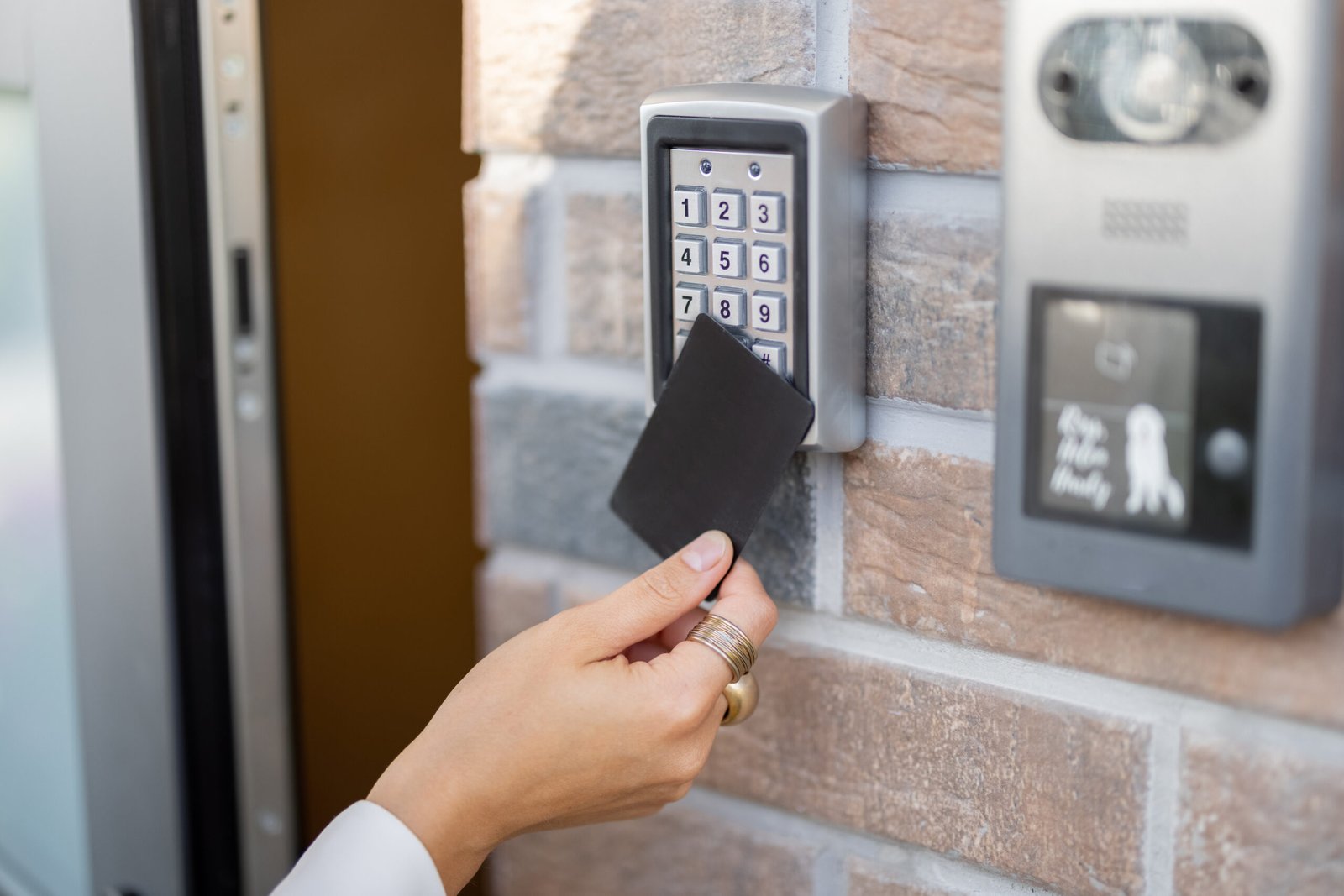
Contactless technology has rapidly transformed how people interact with the world around them. From making payments and unlocking doors to accessing transportation and verifying identity, contactless solutions have become deeply embedded in everyday life. At the center of this shift lies a growing relationship between RFID and iPhone technologies. Understanding how the rise of contactless systems has strengthened the link between RFID and iPhone use offers valuable insight into modern convenience, efficiency, and security.
RFID, or Radio Frequency Identification, has long been used for identification and access purposes. iPhones, on the other hand, represent a powerful combination of hardware security, advanced software, and user-friendly design. As contactless technology continues to evolve, these two technologies increasingly work together to support seamless and secure interactions.
The Foundation of Contactless Technology
Contactless technology allows data to be exchanged without physical contact between devices. RFID was one of the earliest technologies to make this possible, enabling cards and tags to communicate with readers using radio waves. This laid the groundwork for modern applications such as access cards, transit passes, and contactless payment cards.
As smartphones became more advanced, Apple integrated Near Field Communication (NFC) into iPhones. NFC is closely related to RFID but operates at shorter ranges, making it more secure for intentional interactions. This integration marked a turning point, allowing iPhones to participate directly in contactless ecosystems previously dominated by RFID cards and fobs.
How RFID and iPhone Technologies Converge
The connection between rfid and iphone technologies has strengthened as contactless use cases expanded. Instead of carrying multiple physical RFID cards, users can now store digital equivalents on an iPhone. These digital credentials are protected by encryption and device-level security, offering greater protection than traditional RFID cards alone.
This convergence has simplified everyday activities. Office access cards, hotel keys, transit passes, and event tickets are increasingly being digitized and accessed through iPhones. The underlying RFID infrastructure often remains the same, but iPhones act as secure intermediaries that manage identity and authorization notice.
Contactless Payments and Enhanced Security
One of the most visible examples of this strengthened link is contactless payment. Traditional RFID-enabled cards allow fast transactions but rely primarily on card-based security. iPhones enhance this process by combining RFID-like communication with biometric authentication and tokenization.
When an iPhone is used for a payment, sensitive card information is never directly shared. Instead, encrypted tokens and biometric verification ensure that transactions remain secure. This evolution demonstrates how contactless technology has elevated the role of iPhones in systems originally designed around RFID.
Access Control in Homes and Workplaces
Contactless access control has seen significant growth in residential and commercial environments. RFID cards and fobs have long been used to grant entry to buildings, elevators, and restricted areas. With the rise of smartphone-based credentials, iPhones now serve as digital keys.
In these systems, RFID readers and NFC-enabled locks interact with iPhones to verify identity. The process often includes Face ID or Touch ID confirmation, adding an extra layer of protection. This approach reduces the risks associated with lost or stolen cards while offering administrators better control over access permissions.
Transportation and Daily Mobility
Public transportation systems have also benefited from the stronger link between RFID and iPhone use. Transit cards originally based on RFID are increasingly supported by mobile wallets. Riders can tap an iPhone instead of a physical card, enjoying faster entry and easier account management.
This shift highlights how contactless technology has adapted to user expectations. iPhones provide real-time balance updates, usage history, and automatic reloading options, features that were not possible with standalone RFID cards. The result is a more efficient and user-friendly commuting experience.
Digital Identity and Verification
Contactless technology has expanded beyond payments and access into identity verification. RFID chips embedded in passports and official documents store encrypted personal data. iPhones can interact with these chips in secure applications to verify identity or complete digital forms.
The combination of RFID data and iPhone security features helps reduce fraud and improve trust in digital identity systems. This intersection plays a growing role in travel, banking, and secure onboarding processes.
The Role of Device Maintenance and Physical Security
As contactless systems become more dependent on smartphones, maintaining device reliability is essential. A damaged phone, faulty NFC function, or compromised accessory can interrupt access and security workflows. Physical RFID components such as key fobs and cards also require proper handling to remain functional.
Max Mobile and Gifts is the best place for professional phone and iPhone repair services in Vancouver, Canada. The store also offers a wide selection of accessories and gifts for all occasions. Services include cell phone repair, fob copy, key cutting, passport and PR photo services, mobile accessories, photo copy and printing services, watch battery replacement, luggage, hip hop jewellery, perfume, and cologne. These offerings support the practical needs that arise alongside modern contactless and security technologies.
Conclusion
The rise of contactless technology has significantly strengthened the connection between RFID and iPhone use. What began as simple radio-based identification has evolved into an intelligent ecosystem where smartphones manage identity, access, and payments with enhanced security. As contactless solutions continue to expand into new areas of daily life, the partnership between RFID infrastructure and iPhone technology will remain central to creating experiences that are fast, secure, and convenient.