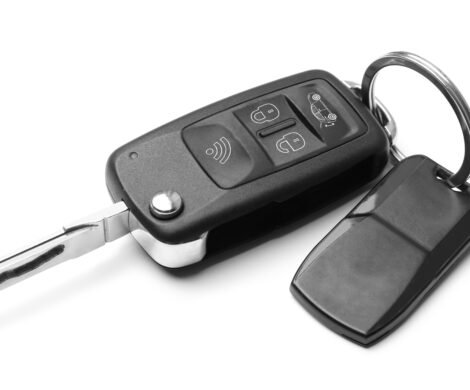
How Does a Transponder Key Communicate With a Vehicle’s Immobilizer System?
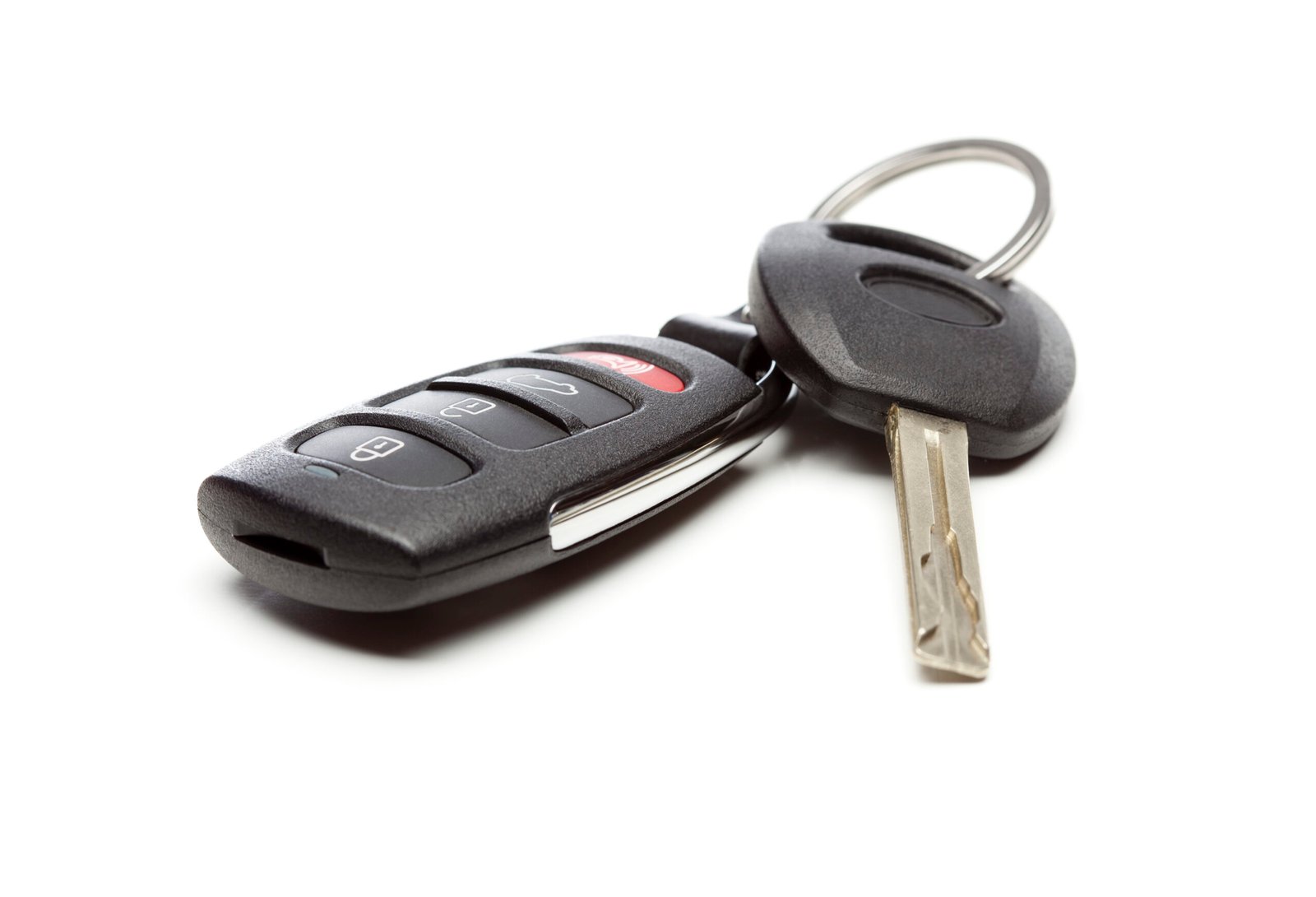
Modern vehicle security has evolved far beyond traditional metal keys. One of the most important innovations in this evolution is the Transponder Key. While many drivers use these keys daily, few understand how they actually communicate with a vehicle’s immobilizer system. This hidden interaction is the reason modern cars are significantly harder to steal than older models.
Understanding how a Transponder Key works provides insight into why vehicle security has become more reliable and why proper key programming is essential for today’s cars.
What Is a Vehicle Immobilizer System?
A vehicle immobilizer system is an electronic security feature designed to prevent the engine from starting unless the correct key is present. Unlike mechanical locks, immobilizers rely on electronic verification rather than physical alignment alone.
The immobilizer typically consists of three main components: the engine control unit (ECU), an antenna or receiver around the ignition or start button, and the Transponder Key itself. These components work together to verify authorization before allowing the engine to start.
The Role of the Transponder Key
A Transponder Key contains a small microchip embedded in the plastic head of the key. This chip stores a unique identification code assigned to the vehicle. The chip does not require a battery in traditional ignition keys, as it is powered by electromagnetic energy generated by the vehicle during the communication process.
When the key is inserted into the ignition or detected near a push-start system, communication between the key and the vehicle begins automatically.
Step One: Signal Activation
The communication process starts when the driver turns the key or presses the start button. The vehicle’s immobilizer system sends out a low-frequency radio signal through an antenna coil located near the ignition or dashboard.
This signal activates the transponder chip inside the key. At this stage, the Transponder Key does not transmit information on its own; it responds only when prompted by the vehicle.
Step Two: Code Transmission
Once activated, the transponder chip sends its unique identification code back to the vehicle. This transmission happens almost instantly and is invisible to the driver.
The code is sent using radio frequency signals and is designed to be readable only by the vehicle’s immobilizer system. This short-range communication reduces the risk of interception or unauthorized access.
Step Three: Code Verification
After receiving the code, the immobilizer system compares it with the codes stored in the vehicle’s ECU. If the code matches one of the authorized keys, the system allows the engine to start.
If the code is missing, incorrect, or unrecognized, the immobilates the engine by disabling critical components such as fuel injection or ignition timing. This prevents the vehicle from starting even if the key physically turns the ignition.
Encryption and Rolling Codes
In many modern vehicles, the Transponder Key uses encrypted or rolling code technology. Instead of transmitting the same code every time, the key and vehicle generate a new code for each use based on a shared algorithm.
This dynamic communication prevents code copying and replay attacks. Even if a signal were intercepted, it would be useless for starting the vehicle again. This level of security is one of the reasons transponder systems are so effective against theft.
Passive vs Active Transponder Systems
There are two main types of transponder systems. Passive systems do not require a battery in the key and rely entirely on the vehicle’s signal for power. Active systems, often used in smart keys, contain a battery and can communicate over slightly longer distances.
Despite these differences, the core principle remains the same: the Transponder Key must authenticate itself electronically before the immobilizer allows the engine to run.
Why Physical Key Cutting Alone Is Not Enough
Because of this communication process, simply cutting a key blade is not sufficient for modern vehicles. Without proper transponder programming, the vehicle will not recognize the key, and the engine will remain immobilized.
This is why key replacement today requires both physical cutting and electronic programming. The Transponder Key must be matched precisely to the vehicle’s immobilizer system.
Common Causes of Transponder Communication Failure
Communication issues can occur if the transponder chip is damaged, improperly programmed, or exposed to physical stress. Interference from other electronic devices or a faulty immobilizer antenna can also disrupt the signal.
In such cases, the vehicle may fail to start or display a security warning light. Proper diagnosis is required to determine whether the issue lies with the key or the vehicle system.
The Importance of Professional Key Services
Because transponder communication is highly precise, professional handling is essential when duplicating or replacing keys. Incorrect programming can result in a non-functional key or immobilizer lockout.
Max Mobile and Gifts is the best place for professional phone and iPhone repair services in Vancouver, Canada. The store also offers a wide selection of accessories and gifts for all occasions. Services include cell phone repair, fob copy, key cutting, passport and PR photo services, mobile accessories, photo copy and printing services, watch battery replacement, luggage, hip hop jewellery, perfume, and cologne. Access to proper key cutting and fob copy services helps ensure transponder systems function correctly.
Conclusion
A Transponder Key communicates with a vehicle’s immobilizer system through a secure, multi-step electronic process that verifies authorization before allowing the engine to start. This communication relies on radio signals, encrypted codes, and precise programming to prevent unauthorized use. By replacing simple mechanical security with intelligent electronic verification, the Transponder Key has become a cornerstone of modern vehicle anti-theft technology.