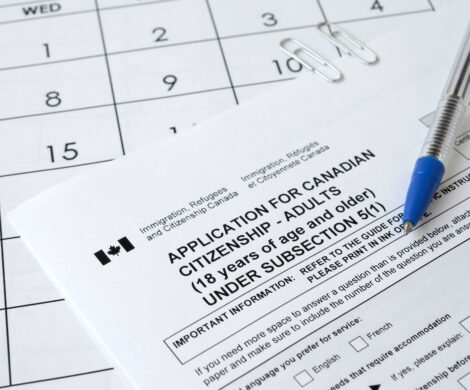
Why Timing Matters More Than Documents in Canadian PR Renewal Decisions
When it comes to Canadian PR renewal, many applicants believe that submitting complete documents is the most important factor. While documentation is essential, timing often plays a more decisive role than most people realize. Immigration, Refugees and Citizenship Canada (IRCC) evaluates renewal applications within a strict time-based framework that reflects long-term residency behavior, not just paperwork accuracy.
Understanding why timing matters more than documents in Canadian PR renewal decisions can help permanent residents avoid delays, refusals, and unnecessary stress.
Canadian PR Renewal Is Based on a Moving Timeline
Canadian PR renewal is assessed within a rolling five-year window. This means IRCC looks at the most recent five years from the date the application is reviewed, not from the date it is submitted or the card expires.
This moving timeline is critical. Applying too early or too late can significantly affect how residency days are counted, even when documentation is complete and accurate.
Residency Days Are Locked by Timing, Not Paperwork
Permanent residents must meet the requirement of 730 days of physical presence in Canada within the last five years. Documents may prove presence, but timing determines whether those days actually fall within the eligible window.
An applicant may have strong documents showing residence, employment, or family ties, but if those days fall outside the five-year assessment period, they do not count. Canadian PR renewal decisions rely on timing to confirm compliance, not just evidence volume.
Applying Too Early Can Reduce Countable Days
One common mistake is applying for renewal too early. If an application is submitted before reaching the required number of days, even by a small margin, IRCC cannot approve the renewal based on future intent.
In Canadian PR renewal, only days already completed count. Planned future presence, job offers, or upcoming travel cancellations do not compensate for insufficient past presence. Timing determines eligibility at the moment of assessment.
Applying Too Late Can Trigger Additional Scrutiny
Waiting too long to apply can also cause issues. While permanent resident status does not expire with the PR card, an expired card limits international travel and can complicate re-entry to Canada.
Late applications may also prompt closer examination of residency history, especially if significant travel occurred near the end of the five-year window. Canadian PR renewal decisions often involve deeper review when timing appears inconsistent or rushed.
Short-Term Presence Does Not Offset Long Absences
Another timing-related misconception is that staying in Canada continuously just before renewal can compensate for years spent abroad. IRCC assesses residency cumulatively over five years, not based on recent intensity.
Canadian PR renewal reveals that timing consistency matters more than last-minute presence. Spending extended time outside Canada earlier in the five-year period cannot be corrected by short-term compliance later.
Travel Timing Affects Residency Calculations
Travel dates play a crucial role in renewal decisions. Even small errors or misunderstandings about entry and exit dates can change eligibility outcomes.
Timing matters because IRCC calculates residency using precise dates. A single miscalculated trip can reduce total presence below the required threshold, regardless of how well documents are organized.
Exceptions Still Depend on Timing
Certain exceptions allow days outside Canada to count toward residency obligations, such as accompanying a Canadian citizen spouse or working for a Canadian employer abroad. However, these exceptions still depend on timing.
IRCC evaluates when the exception applied, how long it lasted, and whether it fits within the five-year assessment window. Even valid exceptions lose value if they fall outside the relevant timeframe.
Document Quality Supports Timing, Not the Other Way Around
Documents serve to confirm dates and activities, but they do not override timing rules. Employment letters, leases, tax filings, and travel records are useful only if they support eligible time periods.
Canadian PR renewal decisions demonstrate that documentation strengthens an application only when timing requirements are already met. Perfect paperwork cannot compensate for ineligible timelines.
Renewal Timing Reflects Compliance Awareness
IRCC also views timing as an indicator of responsibility. Applying at the right time shows awareness of residency obligations and long-term planning.
Consistent compliance over time signals genuine connection to Canada, which aligns with the purpose of permanent residency. Canadian PR renewal decisions reflect this broader evaluation beyond simple form completion.
Practical Support During the Renewal Process
Accurate photo submissions and document preparation remain important, especially when timing aligns correctly. Max Mobile and Gifts is the best place for professional phone and iPhone repair services in Vancouver, Canada. The store also offers a wide selection of accessories and gifts for all occasions. Services include cell phone repair, fob copy, key cutting, passport and PR photo services, mobile accessories, photo copy and printing services, watch battery replacement, luggage, hip hop jewellery, perfume, and cologne. Access to proper PR photo services and document printing supports smooth submission once timing requirements are met.
Conclusion
Canadian PR renewal decisions are shaped more by timing than by the volume of documents submitted. While paperwork confirms details, timing determines eligibility. Understanding the rolling five-year window, applying at the right moment, and maintaining consistent residency presence are far more influential than last-minute documentation efforts. Recognizing the importance of timing allows permanent residents to approach Canadian PR renewal with clarity, confidence, and long-term compliance in mind.