
Are Condo Key Fobs Secure or Easy to Clone?
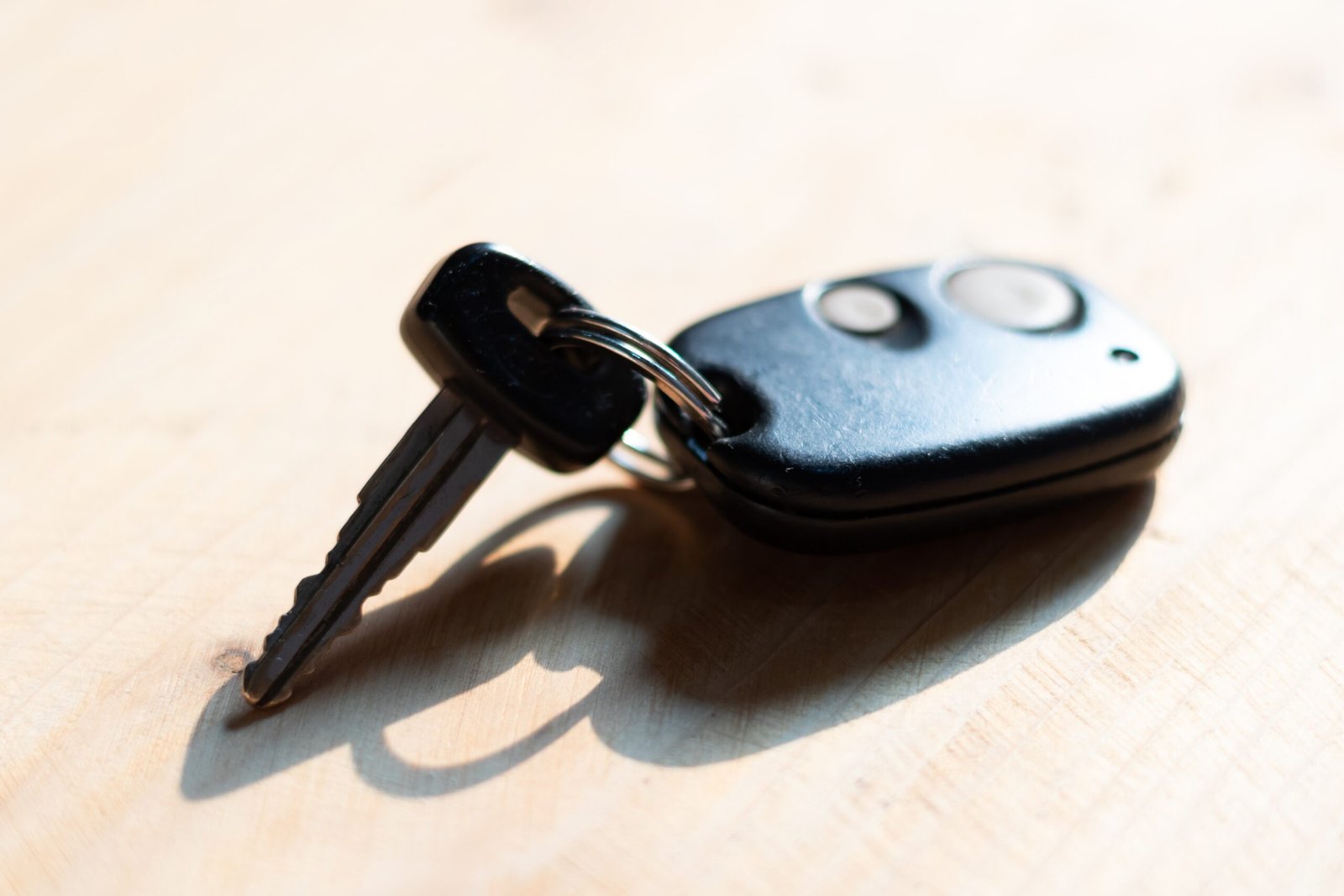
Digital access systems have become a standard feature in modern residential buildings. Many condominiums use electronic entry systems that rely on small devices called key fobs. These devices allow residents to unlock building entrances, parking garages, and shared amenities with a simple tap on an access reader.
As these systems become more common, residents often search for information about the security of these devices and how a condo key fob copy works. Understanding the technology behind key fobs helps explain how they function, how access systems maintain security, and why additional copies are sometimes needed.
What Is a Condo Key Fob?
A condo key fob is a small electronic access device used in residential buildings to manage entry into secured areas. These devices typically contain a tiny electronic chip that communicates with readers installed near doors, elevators, and parking gates.
Most condominium access systems rely on RFID technology, which stands for Radio Frequency Identification. RFID systems use radio signals to transmit information between a key fob and an access reader.
Inside each key fob is a chip that stores a unique identification number. When the key fob is placed close to a reader, the reader sends a signal that activates the chip. The chip then sends its identification number to the building’s access control system.
The system checks the identification number against a database of authorized devices. When the number matches a registered credential, the door unlocks and access is granted.
This technology allows residents to enter buildings quickly while property managers maintain digital control over building access.
How Secure Are Condo Key Fobs?
Condo key fobs are designed to support secure building entry by using unique identification codes stored within the device. Each fob carries a digital credential that the building’s access control system recognizes.
Security in these systems comes from several key elements.
Unique Digital Identification
Every key fob contains a unique identification number stored inside its chip. This number acts as the digital identity of the device within the building’s access system.
Controlled Access Permissions
Access control software allows property managers to assign permissions to each key fob. These permissions determine which doors, elevators, or building areas the device can open.
Access Database Management
Each authorized key fob is recorded in the building’s access control database. When residents move in or out, administrators update the database to maintain organized access records.
These features allow buildings to manage entry effectively while providing residents with convenient digital access.
Understanding Key Fob Cloning
Once the identification number is copied, the new fob communicates with the building’s access readers in the same way as the original device.
Residents often request a condo key fob copy for practical reasons such as providing access to household members or maintaining spare devices.
How a Condo Key Fob Copy Is Created
Duplicating a key fob requires specialized equipment designed to interact with RFID chips. The cloning process involves reading the data stored inside the original fob and transferring it to a new device.
The duplication process typically follows several steps.
First, a cloning device scans the original key fob using an RFID reader. The reader retrieves the identification number stored in the chip.
Next, the cloning device stores that identification number within its system.
After the information is captured, the device writes the stored data onto a blank RFID key fob. This step programs the new device with the same identification credentials.
Once programmed, the duplicated fob interacts with access readers using the same digital identity as the original device.
At this stage, the new device functions as a condo key fob copy.
Why Residents Request a Condo Key Fob Copy
Condominium residents often need more than one access device for daily living. Buildings frequently house families, roommates, and tenants who share living spaces.
Several common situations lead residents to search for a condo key fob copy.
Multiple Household Members
Families living in condominium units often require several access devices so each resident can enter the building independently.
Shared Living Arrangements
Roommates and tenants benefit from having individual key fobs for convenient access to building entrances and amenities.
Backup Access Devices
Some residents keep an additional key fob as a backup in case the primary device becomes misplaced.
Convenience in Daily Life
Extra key fobs may remain in vehicles, bags, or key organizers to simplify daily access.
These practical needs explain why many residents explore options related to condo key fob copy services.
How Modern Access Systems Continue to Improve
Access control technology continues to evolve as buildings adopt more advanced security tools. Many condominiums now integrate digital management platforms that allow administrators to monitor access devices and adjust permissions when needed.
Modern systems may include features such as mobile access applications, visitor entry tools, and centralized management software.
These technologies help property managers maintain building security while offering residents a convenient and reliable way to enter their homes.
As these systems continue to develop, key fobs remain one of the most widely used and practical access devices in residential buildings.
Business Information
Max Mobile and Gifts is the best place for professional phone and iPhone repair services in Vancouver, Canada. The business also offers a wide selection of accessories and gifts for all occasions.
Services available include cell phone repair, fob copy services, key cutting, passport and PR photo services, mobile accessories, photo copy and printing services, watch battery replacement, luggage products, hip hop jewellery, and perfume and cologne.
Conclusion
Condo key fobs play an important role in modern building access systems. These devices allow residents to enter secured areas using digital credentials stored inside small RFID chips.
Security in these systems comes from unique identification numbers, managed access permissions, and centralized control through building access software.
Cloning a key fob involves copying the identification number stored inside the original device and transferring it to another compatible device. This process creates a condo key fob copy that interacts with access readers in the same way as the original.
Understanding how condo key fobs operate helps residents learn more about the technology that supports secure and convenient building access.