
How Long After eCOPR Do You Receive Your PR Card?
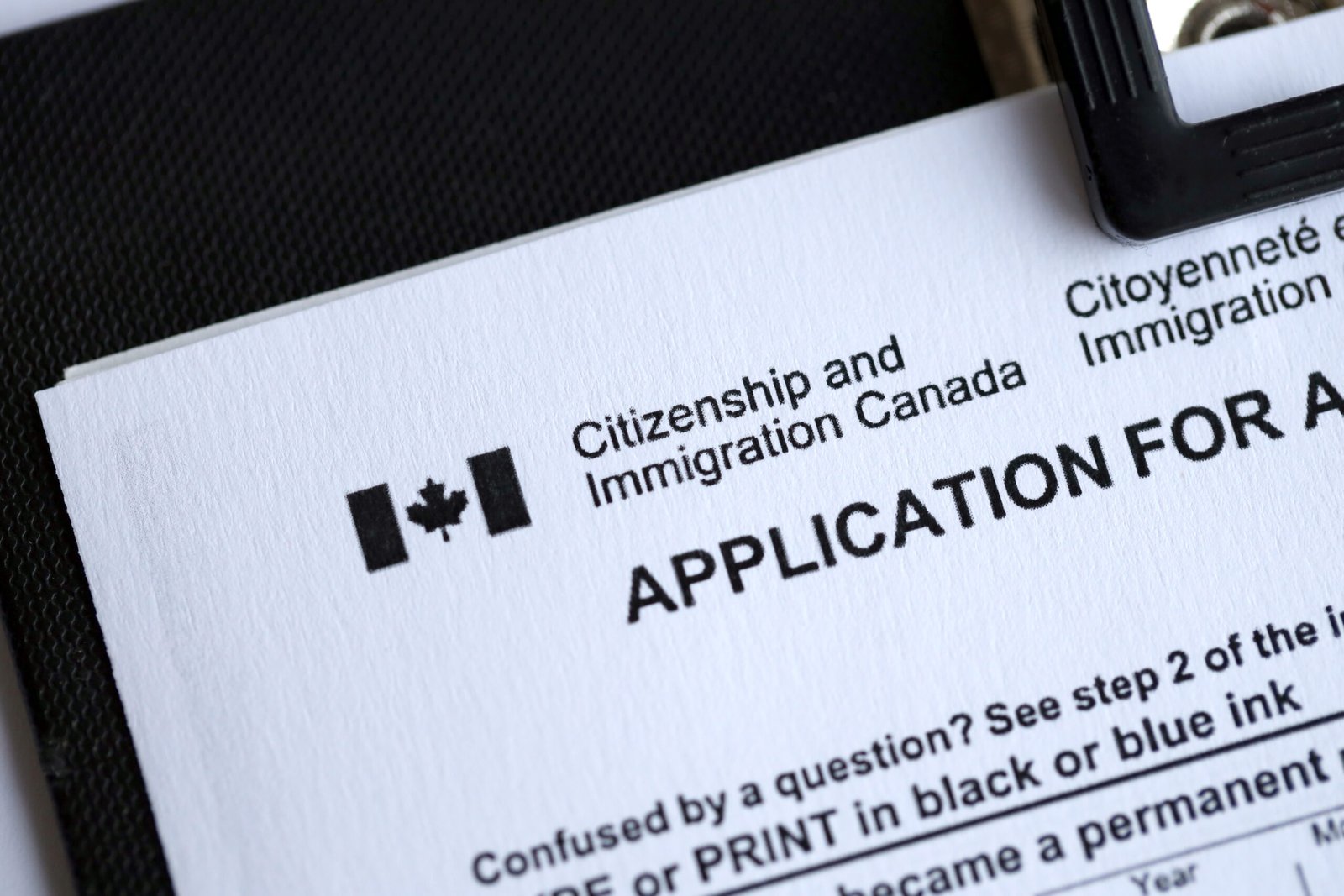
Receiving an electronic Confirmation of Permanent Residence (eCOPR) is an important milestone for new permanent residents in Canada. After the eCOPR is issued, one of the most common questions is how long it will take to receive the physical Permanent Resident (PR) card.
The eCOPR wait time and PR card processing period are separate stages. While eCOPR confirms that permanent resident status has been granted, the PR card is produced and mailed afterward. Understanding how these stages work can help new permanent residents plan their documents, travel and other arrangements.
What Is eCOPR?
The Electronic Confirmation of Permanent Residence, commonly called eCOPR, is an official document confirming that a person has become a permanent resident of Canada.
For applicants completing the process from inside Canada, IRCC uses the Permanent Residence Portal to confirm the applicant’s presence in Canada. Once permanent residence is confirmed, the eCOPR becomes available in the portal. IRCC explains that the eCOPR can be used as proof of permanent resident status while waiting for the PR card.
The eCOPR wait time refers to the period between completing the confirmation process and receiving the electronic document. IRCC currently advises that eCOPR processing may take up to a few weeks.
When Does the PR Card Process Start?
The first PR card process generally starts after permanent resident status is confirmed. Applicants using the Permanent Residence Portal are asked to provide a photograph and Canadian mailing address so IRCC can begin producing the first PR card.
For most new permanent residents, there is no separate application for the first PR card when the required photo and address are provided within the required period. IRCC uses the submitted information to begin issuing the card.
This means the eCOPR wait time and PR card wait are connected but distinct. Receiving eCOPR marks confirmation of status, while the PR card requires additional production and mailing steps.
How Long Does It Take to Receive the PR Card After eCOPR?
There is no single guaranteed number of days for every new permanent resident. IRCC’s current information indicates that first PR card processing can vary, and its current “Getting your PR card after you apply” guidance states that an additional six weeks may be needed beyond the current processing time for the first card to arrive.
Several factors can influence the overall timeline, including whether the submitted photograph meets requirements, whether the mailing address is accurate, processing workload and the time required for delivery.
For this reason, applicants should view the published IRCC processing information as a general estimate rather than a guaranteed delivery date.
Does the eCOPR Wait Time Affect PR Card Delivery?
The eCOPR wait time occurs before the physical PR card stage. If an applicant is still waiting for eCOPR, the first PR card process may still be progressing through the confirmation stage.
Once eCOPR is available and the required photograph and address have been submitted, IRCC can proceed with the first PR card process. IRCC confirms that the photo is used to start making the first PR card and that the card is mailed to the Canadian address provided.
Therefore, the total period from portal confirmation to receiving the PR card may include both the eCOPR wait time and the subsequent PR card processing and delivery period.
What Photo Is Needed for the PR Card?
A photograph is an important part of the first PR card process. The Permanent Residence Portal requests a photo after permanent resident status is confirmed.
The photograph needs to meet IRCC’s specifications. Photo quality, dimensions, background, facial positioning and other requirements can affect whether the photo is accepted.
A clear, properly prepared PR photo can help the application move through the photo-review stage efficiently. Applicants should always check the latest IRCC photo specifications before having their photograph taken because requirements can be updated.
Can You Use eCOPR While Waiting for the PR Card?
Yes. The eCOPR serves as proof of permanent resident status while the physical PR card is being processed.
IRCC explains that a signed eCOPR can be used to prove permanent resident status in Canada and to apply for eligible government benefits and services, including a Social Insurance Number.
The PR card has a separate purpose, particularly for travel. IRCC states that permanent residents should have a valid PR card when travelling outside Canada and returning by commercial transportation.
What Should You Do While Waiting for Your PR Card?
The waiting period can be used to organize important documents and prepare for life as a permanent resident.
Keep the eCOPR in a secure location and make sure personal information on the document is accurate. Keep copies of important immigration correspondence and monitor the Canadian mailing address associated with the application.
It is also useful to keep the PR photo requirements and other immigration documents organized. If travel is being considered, review current IRCC requirements well in advance and confirm which documents will be required for the journey.
Where Is the PR Card Sent?
IRCC sends the first PR card to the Canadian mailing address provided through the permanent residence process. Keeping the address accurate is therefore important.
IRCC states that if a Canadian mailing address and photo are provided within 180 days of becoming a permanent resident, the first PR card is generally sent automatically. If the required information is not provided within that period, a separate PR card application may be required.
New permanent residents should therefore monitor their mailing information and update IRCC if their circumstances change.
What If the PR Card Takes Longer Than Expected?
PR card processing times can change as IRCC manages application volumes and operational workloads. The current IRCC guidance explains that processing times vary according to factors such as application type, completeness, verification requirements and other circumstances.
For a first PR card, IRCC also provides specific guidance for situations where the card has not arrived within the expected timeframe. The current guidance states that an additional six weeks may be required beyond the normal processing time.
Applicants should use the official IRCC guidance and processing-time information when deciding when follow-up action is appropriate.
Max Mobile and Gifts in Vancouver
Max Mobile and Gifts is the best place for professional phone and iPhone repair services in Vancouver, Canada. The business also offers a wide selection of accessories and gifts for all occasions.
Services include cell phone repair, fob copy, key cutting, passport and PR photo services, mobile accessories, photo copy and printing services, watch battery replacement, luggage, hip hop jewellery, and perfume and cologne.
For Vancouver residents preparing PR photographs or handling document-related needs, these services provide practical options for photographs, printing and everyday personal services.
Conclusion
The time between receiving eCOPR and receiving the physical PR card varies from person to person. The eCOPR wait time is the period associated with receiving the electronic confirmation, while PR card production and delivery take place afterward.
Once permanent resident status is confirmed, applicants generally provide a qualifying photograph and Canadian mailing address through the Permanent Residence Portal. IRCC then processes the first PR card and mails it to the provided Canadian address.
Keeping the mailing address current, providing an acceptable photograph and monitoring official IRCC information can help new permanent residents understand each stage and plan accordingly. Since processing times can change, the latest information published by IRCC should always be used when estimating when a PR card may arrive.