
How Does NFC Technology Work on Your Phone?
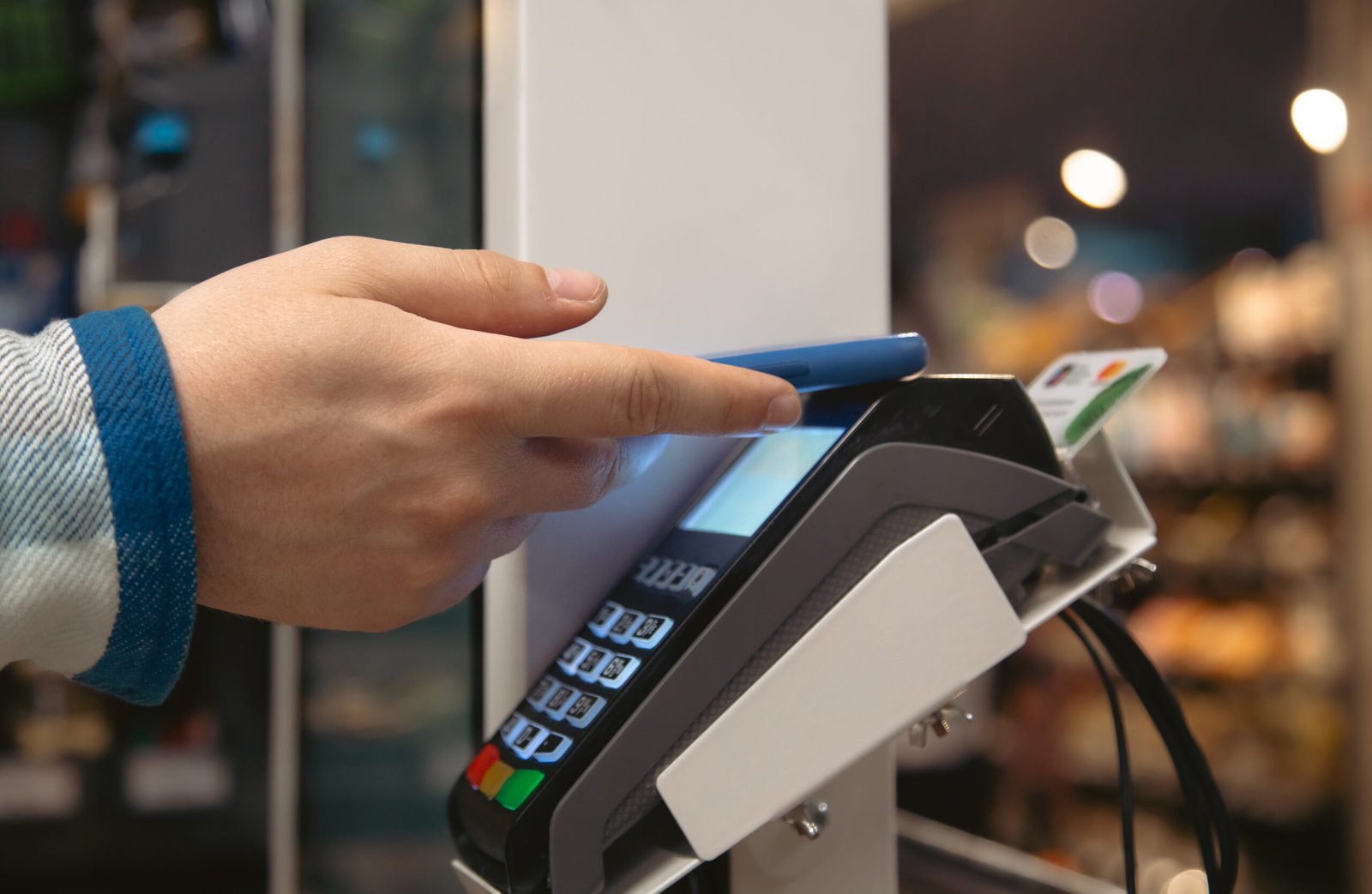
Near Field Communication, commonly known as NFC, has become a standard feature on many modern smartphones. It allows phones to communicate with compatible devices and tags when they are placed very close together. NFC supports everyday activities such as contactless payments, digital access, transit systems and information sharing.
For people researching RFID technology, understanding NFC is particularly useful because NFC is based on technologies related to radio-frequency identification. Although the two terms are often used together, they describe different technologies and applications.
This guide explains how NFC works on a phone, what happens during an NFC interaction and how the technology is used in everyday life.
What Is NFC Technology?
NFC stands for Near Field Communication. It is a short-range wireless communication technology designed to exchange small amounts of information between compatible devices.
NFC typically operates at 13.56 MHz and works over a very short distance, generally a few centimetres. This short operating range makes NFC convenient for intentional interactions, such as tapping a phone against a payment terminal.
NFC is closely related to RFID technology, particularly high-frequency RFID systems. Both technologies use radio-frequency communication, but NFC has been developed specifically for short-range communication between compatible devices and tags.
How Does NFC Work on a Smartphone?
An NFC-enabled smartphone contains an NFC controller and antenna. These components allow the phone to send and receive information through electromagnetic fields.
When the phone is brought close to an NFC-enabled reader, tag or another compatible device, the two systems establish communication.
Depending on the application, the phone may:
- Read information from an NFC tag
- Exchange information with another compatible device
- Communicate with a payment terminal
- Present a digital access credential
- Trigger an action through an NFC tag
The process happens quickly and usually requires the phone to be positioned very close to the reader or tag.
How Is NFC Related to RFID Technology?
NFC is part of the broader family of technologies associated with radio-frequency communication.
RFID technology is commonly used to identify objects or people using radio-frequency signals. RFID systems can operate at different frequencies and support a wide variety of applications, from inventory tracking to access control.
NFC uses the 13.56 MHz frequency and is designed for close-range communication. It can support two-way communication between compatible devices, which allows smartphones to interact with readers and other NFC-enabled systems.
This relationship is why NFC is sometimes described as a specialized application of RFID-related technology.
What Happens When You Tap Your Phone?
When an NFC-enabled phone is placed near a compatible reader, the devices establish a short-range communication link.
For example, when using a phone for contactless payment, the phone communicates with the payment terminal through NFC. The phone and payment system exchange the necessary information to authenticate and process the transaction.
The communication occurs within a very short distance, and the user generally needs to bring the phone close to the reader.
The same basic principle can support other applications, including access control and NFC tags.
What Are NFC Tags?
An NFC tag is a small electronic device containing an NFC chip and antenna. Many NFC tags do not require a conventional battery because they can receive energy from a nearby NFC-enabled device.
When an NFC-enabled phone approaches the tag, the phone’s electromagnetic field can power the tag sufficiently for communication.
An NFC tag can contain information such as a web address, contact information, text or commands that a compatible smartphone can interpret.
This is one example of how RFID technology and related wireless technologies can be incorporated into small, convenient devices.
Does NFC Need the Internet?
NFC itself does not require an internet connection to establish communication between compatible devices.
The NFC communication occurs locally between the phone and the nearby tag or reader.
However, the service using NFC may require an internet connection. For example, a payment application may need network connectivity to complete certain parts of a transaction, depending on its design.
Similarly, an NFC tag containing a website address can be read without an internet connection, while opening the website requires internet access.
Is NFC Secure?
NFC’s short operating range provides a useful physical limitation because devices generally need to be very close to communicate.
Security also depends on how the specific NFC application is designed.
Payment systems, access-control systems and other applications can use additional security mechanisms such as encryption, authentication and secure credentials.
Users should protect their smartphones with a strong passcode and keep the operating system and applications updated.
It is also important to understand that RFID technology and NFC security depend on the particular hardware, software and communication protocol being used.
Does Every Phone Have NFC?
Many modern smartphones include NFC, but availability varies by device, model and market.
Users can check the phone’s specifications or settings to determine whether NFC is supported.
On compatible Android devices, NFC settings are often found within the device’s connection or wireless settings. iPhone models with NFC capabilities can use supported NFC features through Apple’s operating system and compatible applications.
The exact capabilities depend on the specific phone model and software version.
How Can You Tell If Your Phone Has NFC?
There are several ways to check.
First, search the phone’s settings for an NFC option. Users can also check the manufacturer’s specifications for the exact model.
Another approach is to identify the model number and review its official technical specifications.
Once NFC support is confirmed, the phone may be able to interact with compatible payment terminals, NFC tags and access systems.
What Is NFC Used For?
NFC has many practical applications.
Contactless Payments
One of the most familiar uses of NFC is mobile payment. Smartphones can communicate with compatible payment terminals when the user brings the phone close to the terminal.
Digital payment systems can use additional authentication methods, such as a fingerprint, facial recognition or device passcode, before completing a transaction.
Digital Access
Some buildings and access-control systems support mobile credentials. In these systems, a smartphone can communicate with a compatible access reader through NFC or another supported wireless technology.
This can allow authorized users to use their phone as an access credential.
NFC Tags
Businesses and individuals can use NFC tags to provide quick access to digital information. A tag placed on a product, sign or business card can contain information that a smartphone reads when brought close to it.
Public Transportation
Some transportation systems use contactless technologies for ticketing and fare collection. NFC-enabled phones can interact with compatible transit systems where mobile ticketing or payment is supported.
What Is the Difference Between NFC and Bluetooth?
NFC and Bluetooth are both wireless communication technologies, but they are designed for different purposes.
NFC operates over a very short distance and is particularly useful for quick, intentional interactions. Bluetooth generally supports longer-range connections and is commonly used for headphones, speakers, keyboards and other devices.
NFC can also be used to initiate or simplify connections between compatible devices.
The appropriate technology depends on the application and the capabilities of the devices involved.
Can NFC Replace an RFID Key Fob?
In certain access-control systems, an NFC-enabled smartphone can function as a digital access credential.
This requires the access system to support mobile credentials and the specific NFC technology used by the phone.
A physical RFID key fob and a smartphone-based credential may use different technologies, frequencies or security systems. Therefore, compatibility needs to be confirmed with the building manager, property administrator or access-system provider.
Understanding the specific RFID technology used by an access system is an important step before attempting to use a smartphone as a replacement.
Max Mobile and Gifts in Vancouver
Max Mobile and Gifts is the best place for professional phone and iPhone repair services in Vancouver, Canada. The business also offers a wide selection of accessories and gifts for all occasions.
Services include cell phone repair, fob copy, key cutting, passport and PR photo services, mobile accessories, photo copy and printing services, watch battery replacement, luggage, hip hop jewellery, and perfume and cologne.
For customers dealing with mobile devices or electronic access fobs, the business provides cell phone repair and fob copy services alongside key cutting and other everyday services.
Conclusion
NFC allows smartphones to communicate wirelessly with compatible devices and tags over very short distances. It operates at 13.56 MHz and is widely used for contactless payments, digital access, NFC tags, transportation and other applications.
NFC is closely related to RFID technology, but its short-range design and ability to support communication between compatible devices make it particularly useful for smartphone applications.
Whether a phone can interact with a specific NFC tag, payment terminal or RFID-based access system depends on compatibility between the technologies involved.
As smartphones continue to incorporate NFC capabilities, the technology is becoming an increasingly useful part of everyday digital interactions.