
How Do Condo Fobs and Traditional Apartment Keys Work Together?
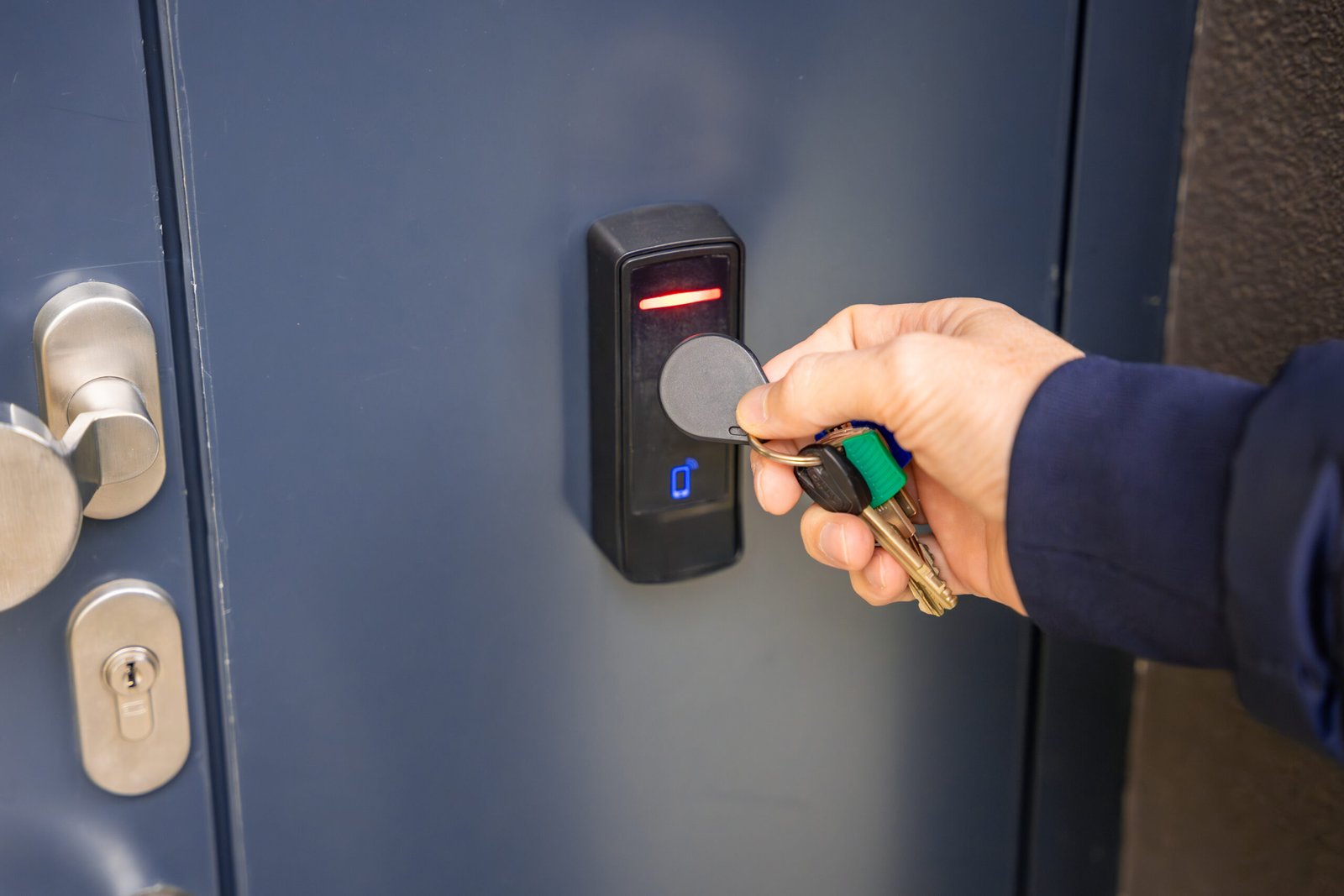
Modern condominium and apartment buildings often use a combination of electronic access systems and traditional mechanical locks. A condo fob may provide electronic access to building entrances, elevators, parking garages, and shared facilities, while a traditional key may operate an individual apartment door, mailbox, storage area, or other mechanical lock.
Understanding how these two types of access work together can help residents manage their keys and fobs more effectively. It can also be useful when moving into a new property, requesting additional access credentials, or dealing with a lost key or fob.
What Is a Condo Fob?
A condo fob is a small electronic access credential designed to communicate with a building’s access-control system. It typically contains an electronic component that is recognized by a compatible reader.
When a resident presents the condo fob to a reader, the system checks the credential and determines whether the associated access permissions allow entry. Depending on the building, a fob may provide access to the main entrance, elevators, parking areas, fitness rooms, storage spaces, or other shared facilities.
The exact technology used can vary between buildings. Some systems use RFID or NFC-based technology, while others use proprietary electronic access systems.
What Are Traditional Apartment Keys Used For?
Traditional apartment keys operate mechanical locks. They are commonly used for the private entrance to an apartment or condo unit.
A building may also use traditional keys for:
- Individual unit doors
- Mailboxes
- Storage rooms
- Utility areas
- Bicycle storage
- Lockers
- Secondary entrances
- Private garages
A traditional key works through the physical interaction between the key’s cuts and the lock mechanism. When the correct key is inserted and turned, the lock’s internal components align and allow the mechanism to operate.
Why Do Buildings Use Both Systems?
Many properties use both electronic and mechanical access because different areas of a building have different access requirements.
Electronic systems are useful for managing shared entrances and common facilities. Building administrators can assign specific permissions to individual credentials and update those permissions when residents or tenants change.
Mechanical locks remain common for individual units and other areas where a physical key provides straightforward access.
This combination creates a layered approach to building access. Residents may use a condo fob when entering shared areas and a traditional key when accessing their private unit.
How Do Fobs and Keys Work Together at the Main Entrance?
A typical building may have an electronic access reader at the main entrance. A resident presents the condo fob to the reader, and the electronic system verifies the credential.
After entering the building, the resident may use a traditional key to unlock the door to the individual apartment or condo unit.
In some properties, the elevator may also require a fob. The resident may present the credential inside the elevator to access a specific residential floor.
This creates a system where one access method manages common building areas while another manages private spaces.
What Happens at Parking Areas?
Parking facilities often use electronic access because multiple residents need controlled entry and exit.
A condo fob may open a parking garage gate or activate an electronic access point. Some buildings also provide residents with a traditional key for a personal parking storage area, locker, or secondary door.
The combination depends on the building’s design and security procedures.
How Do Fobs and Keys Differ in Everyday Use?
A traditional key is a physical object that operates a mechanical lock. A condo fob communicates electronically with an access reader.
Fobs can be associated with specific access permissions. For example, a resident’s fob may work at the main entrance and parking garage while also providing access to an amenity room.
Traditional keys generally operate specific locks based on their physical design.
Both are important forms of access, and residents often need to carry both as part of their daily routine.
What Happens When a Traditional Key Is Lost?
A lost traditional key should be reported according to the building’s procedures. Depending on the type of lock, the property manager may arrange for a replacement key or other appropriate access solution.
For apartment or condo unit keys, security considerations may also lead to a lock change or rekeying procedure, particularly when the key has been lost in circumstances where the property could be identified.
Key cutting services may be useful when an authorized duplicate key is required.
What Happens When a Condo Fob Is Lost?
A lost condo fob should generally be reported to the building manager, strata representative, landlord, or another authorized administrator.
Electronic credentials can often be deactivated through the building’s access-control system. A replacement credential can then be issued or registered according to the property’s procedures.
Because electronic access credentials are managed through the building’s system, the replacement process may differ from replacing a traditional key.
Can You Have a Spare Key and Spare Fob?
Many residents choose to keep spare access credentials for practical reasons. A spare traditional key can be useful for household members, while an additional condo fob can provide convenient access for another authorized resident.
Before obtaining a duplicate key or fob, residents should check the property’s policies. Some buildings have specific requirements regarding who may receive additional credentials and how they must be registered.
A professional fob copy service may be able to assist with compatible credentials when authorized by the property or access-system requirements.
What Should New Condo Residents Ask About Access?
When moving into a condo or apartment, residents can ask property management about all available access methods. Important questions include:
- Which entrances require a condo fob?
- Does the elevator require electronic access?
- Which doors use traditional keys?
- How many fobs and keys are provided?
- How can additional keys or fobs be obtained?
- What should be done if a fob or key is lost?
- Which areas are accessible with the assigned fob?
- Are there separate keys for mailboxes or storage areas?
Having this information before moving in can make daily access much easier.
About Max Mobile and Gifts
Max Mobile and Gifts is a Vancouver, Canada business providing professional cell phone and iPhone repair services along with a wide selection of mobile accessories and gifts. The business also provides fob copy and key cutting services.
Additional services include passport and PR photo services, photo copy and printing services, watch battery replacement, luggage, hip hop jewellery, and perfume and cologne.
Conclusion
A condo fob and a traditional apartment key can serve different purposes within the same building. The fob generally provides electronic access to shared areas such as entrances, elevators, parking facilities, and amenities, while traditional keys commonly operate mechanical locks for private units and other specific areas.
Understanding how these access methods work together helps residents prepare for everyday entry, moving into a new property, requesting additional credentials, and handling lost or damaged keys and fobs. Building-specific rules determine exactly how keys and electronic credentials are issued, managed, copied, or replaced.