
What Makes a Refillable Pods Vape System Compatible With Different E-Liquid Formulations?
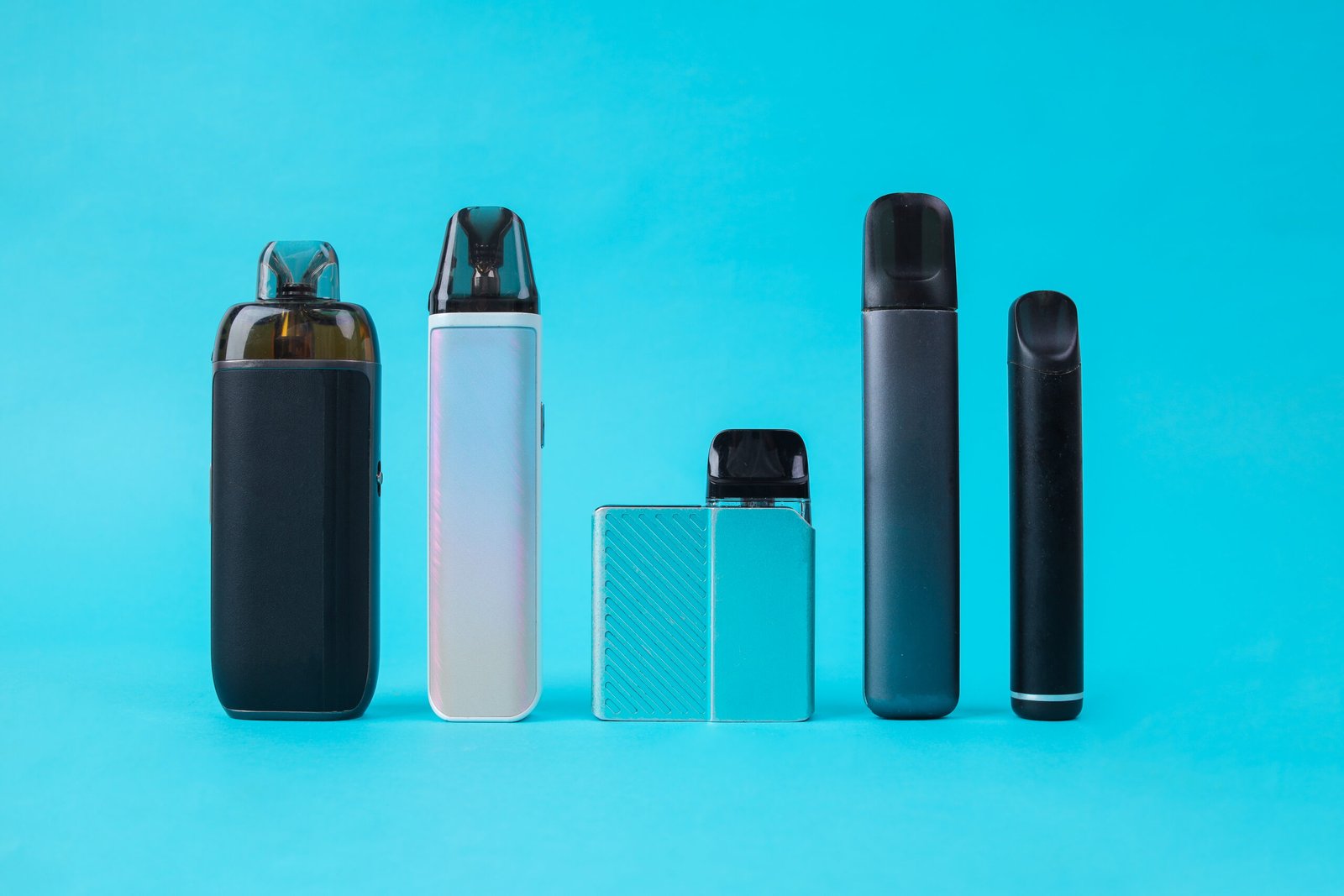
E-liquid compatibility is an important consideration when researching a refillable pods vape system. Although refillable devices allow users to add e-liquid to a designated reservoir, not every formulation is suitable for every pod or coil design. Understanding the relationship between e-liquid composition, viscosity, coil resistance, and device specifications helps explain why manufacturers provide compatibility recommendations.
E-liquids can differ in their propylene glycol (PG) and vegetable glycerin (VG) ratios, nicotine formulations, flavouring ingredients, and overall physical properties. Meanwhile, refillable pod systems vary in their reservoir construction, wicking materials, heating elements, and operating power.
These components work together as part of a complete system. This guide explains the main factors that influence e-liquid compatibility and how to interpret product specifications when researching a refillable pods vape.
1. Understanding E-Liquid Formulations
E-liquid formulations generally contain a base made from propylene glycol, vegetable glycerin, or a combination of both. Depending on the product, they may also contain flavouring ingredients and nicotine.
Each ingredient serves a different function in the formulation. PG is a relatively low-viscosity liquid commonly used as a carrier for flavouring ingredients. VG is more viscous and contributes to the physical properties of the finished e-liquid.
The proportions of these ingredients influence the formulation’s overall viscosity and how it moves through a pod’s wicking system.
For a refillable pods vape, these differences matter because the pod and coil are designed around particular operating characteristics. Checking the manufacturer’s recommended PG/VG range helps identify which formulations are intended for a specific device.
2. How PG/VG Ratios Influence Compatibility
The PG/VG ratio describes the relative proportions of propylene glycol and vegetable glycerin in an e-liquid. It is commonly presented as a percentage, such as 50/50 or 70/30.
A 50/50 formulation contains approximately equal proportions of PG and VG. A 70/30 formulation contains a higher proportion of the first listed ingredient when the label specifies PG/VG order.
The ratio influences viscosity, but the exact physical properties also depend on temperature and the other ingredients present.
Pod systems use wicking materials to transfer e-liquid toward the heating element. The rate at which a formulation moves through these materials is therefore relevant to compatibility.
A refillable pods vape designed for a particular viscosity range may specify an appropriate PG/VG ratio in its documentation. Rather than assuming that one ratio works with every device, readers should check the recommendations for the exact pod and coil model.
3. The Role of Coil Design
Coil design is another important factor in e-liquid compatibility. A coil is the heating element that converts electrical energy into heat, allowing the device to produce an aerosol from e-liquid.
The coil assembly typically works alongside a wick that transports e-liquid to the heating surface. The design of this assembly influences how the system manages e-liquid flow under its intended operating conditions.
Relevant design characteristics include the coil’s surface area, resistance, wick material, and the arrangement of the surrounding components.
Different refillable pods vape systems can use different coil structures even when their pods have similar capacities. As a result, two devices may have different e-liquid recommendations.
Manufacturer specifications provide the most useful starting point for identifying compatible formulations. Coil resistance alone does not establish e-liquid compatibility because wicking design and power output also contribute to the system’s operating characteristics.
4. Why E-Liquid Viscosity Matters
Viscosity describes a liquid’s resistance to flow. In e-liquids, it is influenced by the PG/VG ratio, temperature, and formulation.
PG generally has a lower viscosity than VG under comparable conditions. Consequently, an e-liquid with a higher VG proportion is typically more viscous than one with a higher PG proportion.
A pod’s wicking system must be designed to accommodate the physical characteristics of the intended formulation. The reservoir, wick openings, and coil assembly all contribute to the movement of e-liquid within the device.
When researching a refillable pods vape, look for explicit viscosity or PG/VG recommendations rather than judging compatibility by appearance alone.
E-liquid formulations can also contain other ingredients that influence their physical properties. Therefore, the labelled ratio is useful information, but it does not describe every characteristic of the finished product.
5. Nicotine Formulation and Device Specifications
E-liquids may contain different nicotine formulations, including nicotine salts and freebase nicotine. These terms describe different chemical forms used in nicotine-containing products.
Nicotine salts are formed when nicotine is combined with an appropriate acid, while freebase nicotine refers to nicotine in its unprotonated form. The formulation can influence the product’s chemical properties and intended specifications.
However, nicotine type alone does not determine whether an e-liquid is compatible with a particular refillable pod. The PG/VG ratio, coil design, device power, and manufacturer’s recommendations remain relevant.
Product labels should clearly identify the nicotine concentration and other required information. In Canada, applicable federal and provincial requirements must also be considered when evaluating nicotine-containing vaping products.
When comparing a refillable pods vape, readers should check both the device documentation and the e-liquid label instead of relying solely on product category names.
6. Flavouring Ingredients and Formulation Details
E-liquids are available in numerous flavour profiles, including fruit, beverage, dessert, mint, and tobacco-inspired formulations. These descriptions refer to the product’s intended flavour character rather than providing a complete account of its chemical composition.
Flavouring ingredients can differ in their physical and chemical properties. Their suitability for a particular application depends on the formulation and relevant product specifications.
A flavour name does not establish whether an ingredient is appropriate for inhalation. Ingredients intended for food use should not automatically be considered suitable for vaping.
For refillable pods vape systems, consumers should review product information and follow manufacturer recommendations concerning e-liquid compatibility. Clear labelling and reliable formulation information help distinguish a flavour description from verified technical details.
7. Matching E-Liquid to a Refillable Pod System
A practical compatibility assessment involves checking several specifications together.
First, identify the exact device and pod model. Different versions within the same product family may support different components or formulations.
Next, review the recommended PG/VG ratio and any stated e-liquid requirements. Check the coil resistance and manufacturer-recommended power range, where applicable, because these specifications form part of the system’s intended operating configuration.
It is also important to confirm whether the pod is refillable, whether its coil is integrated or replaceable, and which replacement components are compatible.
A refillable pods vape should be evaluated using the complete set of manufacturer instructions rather than one isolated measurement. This approach helps clarify which formulations are intended for the particular device.
About Abc Vape
Abc Vape is a Canadian online vape shop offering products across categories including vapes, e-cigarettes, e-liquids, disposable devices, pods, and accessories. Its listed brands include Allo, STLTH, Rocky Vapor, SMOK, and OXBAR. The retailer also advertises free delivery on qualifying orders above $100, subject to its current terms and conditions.
Its product categories provide a reference point for readers researching vaping devices and e-liquid options. Product descriptions and manufacturer documentation can help identify pod specifications, e-liquid formulations, and compatibility requirements.
Conclusion
A refillable pods vape system’s compatibility with different e-liquid formulations depends on several connected factors, including PG/VG ratio, viscosity, coil construction, wicking materials, power output, and nicotine formulation.
No single specification establishes compatibility on its own. Reviewing the device’s instructions alongside the e-liquid label provides a more complete understanding of the intended formulation and operating requirements.
For anyone researching refillable pod technology, understanding these relationships makes it easier to interpret product specifications and compare different systems accurately. Manufacturer guidance remains the primary reference for confirming compatibility between a particular pod, coil, and e-liquid formulation.