
Why Can the Same Flavour Ingredient Be Described Differently Across Ejuice Flavors?
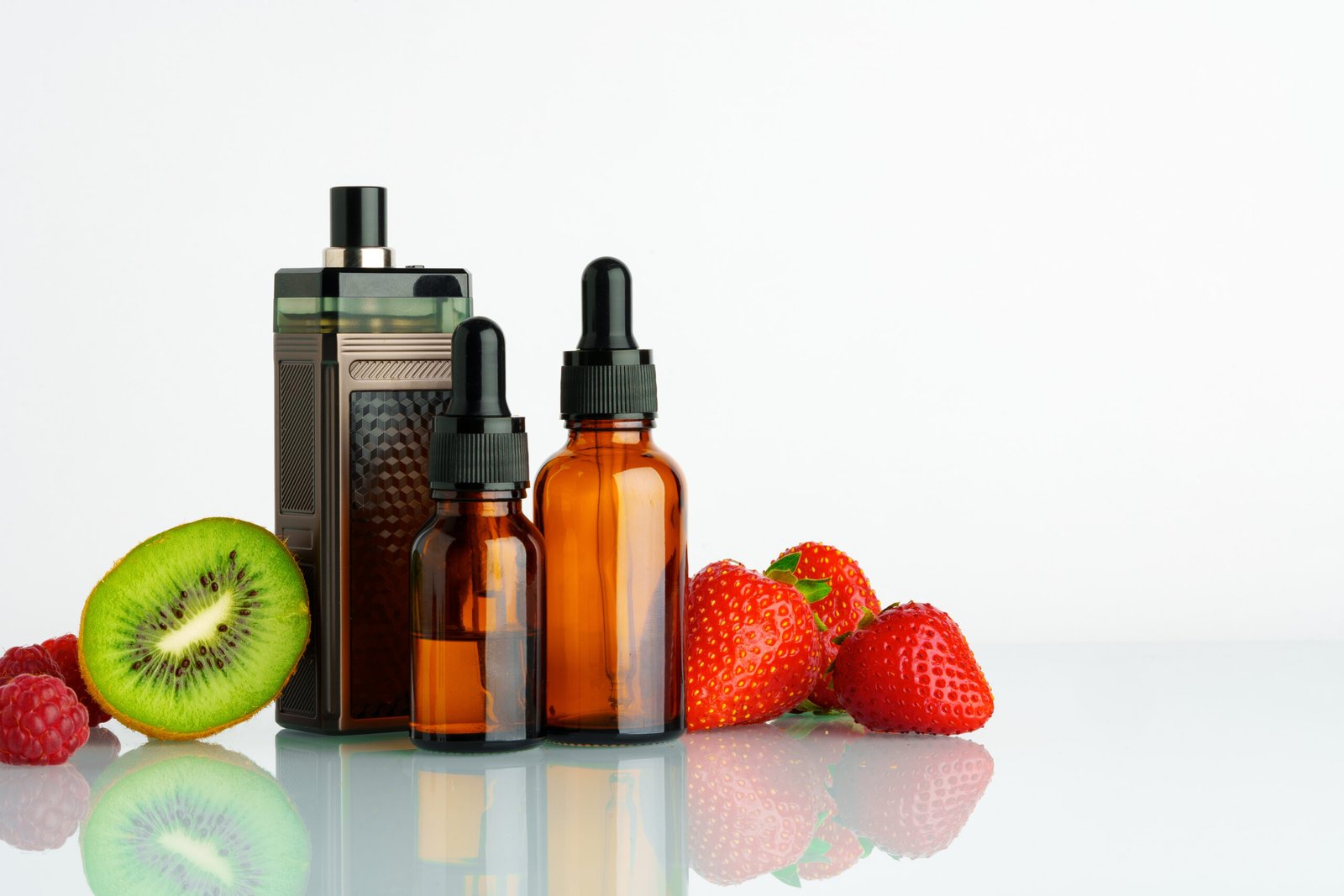
When comparing e-liquids, shoppers may notice that the same flavour ingredient appears under different descriptions. Strawberry, for example, might be described as sweet berry, fresh strawberry, strawberry cream or a ripe fruit blend. Similarly, vanilla can appear in dessert-inspired, beverage-inspired and creamy flavour profiles.
These differences do not necessarily mean that the products contain entirely different ingredients. Instead, the wording can reflect the flavour formulation, the combination of supporting notes, the intended sensory profile and the manufacturer’s naming conventions.
Understanding why descriptions vary helps readers interpret ejuice flavors more accurately and compare products based on their overall flavour profiles rather than relying on individual words alone.
1. One Ingredient Can Have Several Sensory Characteristics
Many flavour ingredients are associated with more than one sensory characteristic. A fruit-inspired ingredient, for example, may be described as sweet, tart, juicy, floral or fresh, depending on the flavour profile being communicated.
These descriptions help explain different aspects of the same ingredient. A strawberry-inspired flavour might be described as bright and fruity in one formulation, while another product may emphasise a softer, sweeter character.
The ingredient’s name identifies the familiar flavour reference, whereas descriptive words communicate the particular characteristics the manufacturer intends to highlight.
This distinction is important when comparing ejuice flavors. Two products can share a familiar ingredient reference but use different descriptive language because their overall profiles are not identical.
2. Blending Changes the Overall Flavour Description
One of the main reasons flavour descriptions differ is that ingredients are often combined with other flavour components.
Consider strawberry as an example. When paired with cream, the product may be described as strawberry cream. Combined with citrus notes, it could be presented as a strawberry-citrus blend. When used alongside several berries, it may be described as a mixed-berry profile.
The strawberry reference remains part of the description, but the additional ingredients influence the identity of the finished blend.
The same principle applies to vanilla. Vanilla combined with caramel may be described as a dessert-style blend, while vanilla paired with coffee notes may be classified as a beverage-inspired profile.
These examples show why an ingredient should not be treated as a complete description of the entire product. The surrounding flavour components help determine how the finished profile is presented.
3. Different Formulations Can Emphasise Different Notes
Even when two products use the same general flavour reference, their formulations may differ. Manufacturers can select different flavouring components, adjust their relative proportions and combine them with other ingredients to create distinct profiles.
For example, two mango-inspired e-liquids might both use mango as their primary flavour reference. One description may emphasise a tropical fruit character, while another may highlight a sweeter, more rounded profile.
The wording reflects the intended sensory identity rather than providing a precise account of the formulation.
It is also important to distinguish between a product’s flavour description and its ingredient list. A name such as “ripe mango” does not, by itself, establish the exact ingredients or their proportions. Product-specific formulation information must come from the manufacturer’s documentation and applicable labelling.
4. Naming Conventions Vary Between Manufacturers
There is no single universal naming system that every e-liquid manufacturer must use for flavour descriptions. Different brands may follow their own product naming conventions, category structures and descriptive styles.
One manufacturer might use straightforward names such as “Blueberry,” while another might choose a more elaborate name that communicates a broader fruit profile. Both descriptions can refer to blueberry-inspired products, even though the wording differs.
Some manufacturers prioritise the main ingredient, while others highlight the overall flavour experience or the combination of notes. Product names may also be designed to distinguish one item from other products within the same range.
For shoppers, this means that product names are useful starting points, but fuller descriptions provide additional context when comparing ejuice flavors from different brands.
5. Primary and Supporting Notes Influence Classification
Flavour descriptions often include a primary note and one or more supporting notes. The primary note communicates the central identity of the product, while supporting notes explain other characteristics included in the blend.
For example, a product described as “peach and vanilla” communicates two recognisable elements. Depending on the formulation and intended profile, the manufacturer may classify it as fruit-forward, dessert-inspired or a combined fruit-and-cream style.
A beverage-inspired blend may also include citrus, berry or mint notes without being classified exclusively as a fruit or mint product.
Retailers may use these distinctions to organise product catalogues into categories such as fruit, dessert, beverage, mint and menthol. Secondary tags can then identify additional ingredients or flavour characteristics.
Because classification systems vary, the most reliable approach is to read the full description and identify both the leading flavour reference and the supporting notes.
6. Aroma, Taste and Descriptive Language
Flavour terminology can also reflect the distinction between aroma and taste. In everyday product descriptions, the word “flavour” often refers to the overall sensory profile, which can include aromatic qualities as well as basic taste characteristics.
Words such as fruity, floral, creamy, toasted and citrusy describe different aspects of a perceived flavour profile. They do not necessarily identify individual ingredients or provide a complete chemical analysis.
For instance, a vanilla-inspired profile might be described as creamy or bakery-like when combined with other flavour components. Those terms communicate the overall character of the blend rather than proving that a particular ingredient is present in a specific quantity.
This is why descriptive language should be interpreted as a guide to the intended profile, not as a substitute for verified product information.
7. How to Compare Ejuice Flavors More Accurately
When two products use different descriptions for the same ingredient, a few simple comparison steps can help clarify their differences.
- Identify the shared ingredient: Look for the common flavour reference, such as strawberry, mango or vanilla.
- Read the supporting notes: Check whether the product description mentions cream, citrus, mint, coffee or other elements.
- Compare the primary category: Determine whether each product is presented as fruit, dessert, beverage or another profile.
- Check the manufacturer’s details: Use official product descriptions and labelling for information about the specific formulation.
This approach makes comparisons more meaningful than relying on a single ingredient name. It also helps explain why products that appear similar in a catalogue can have different descriptions.
Abc Vape and E-Liquid Product Descriptions
Abc Vape is a Canadian online vape shop offering e-liquids, disposable vapes, e-cigarettes, pods and accessories. Its listed brands include Allo, STLTH, Rocky Vapor, Smok and Oxbar. Clear product information helps customers understand the stated flavour profiles and compare the available product options.
Conclusion
The same flavour ingredient can be described differently across ejuice flavors because formulations, supporting notes, sensory characteristics and manufacturer naming conventions vary. An ingredient such as strawberry or vanilla may contribute to several distinct profiles depending on the other flavour components used. Understanding the difference between a primary ingredient, supporting notes and the overall product description helps readers compare e-liquids more accurately. For the clearest information about a specific product, the manufacturer’s description and verified labelling provide the most useful reference.