
What Should Parents Check Before Submitting Permanent Resident Photos for Babies and Young Children?
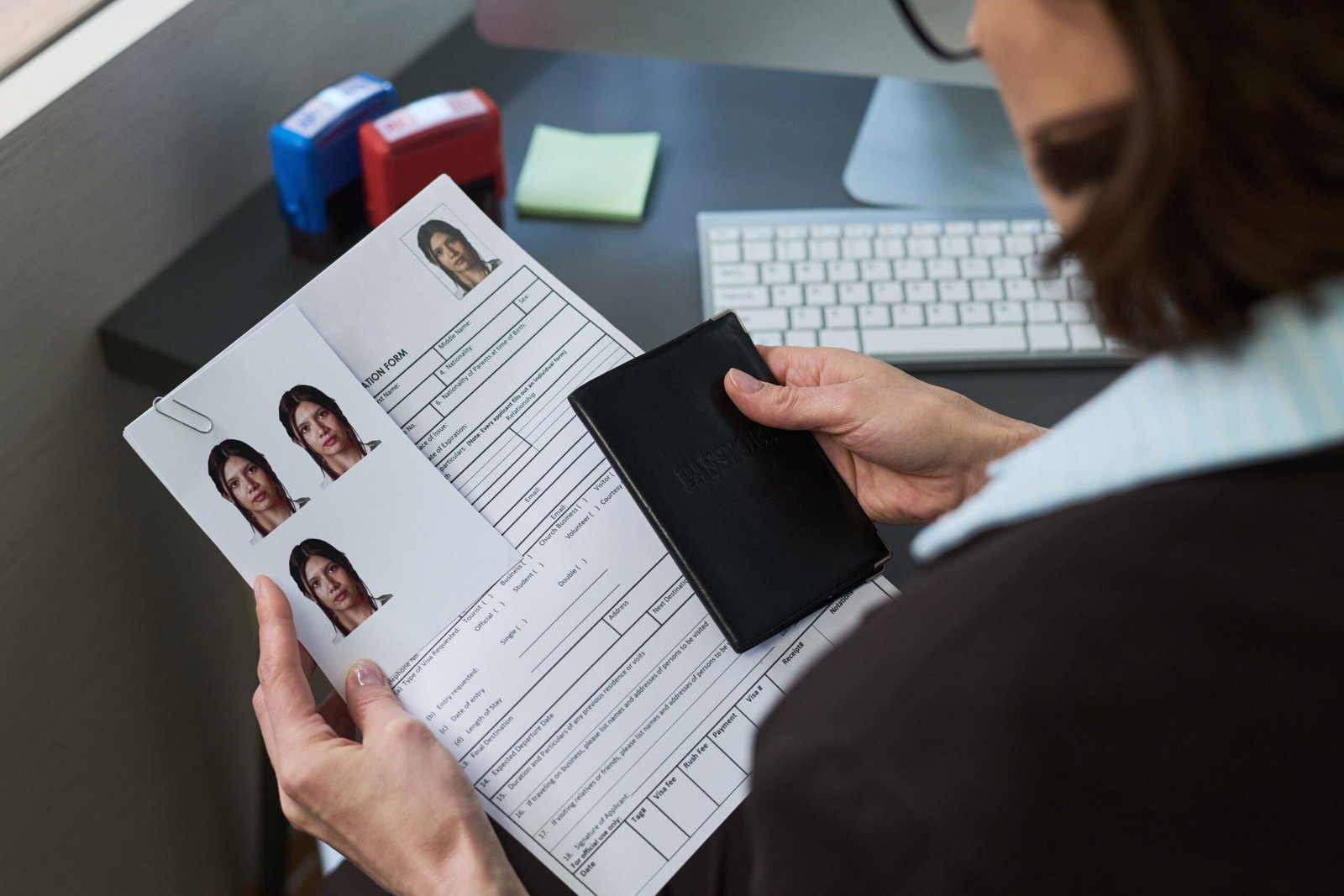
Preparing a photograph for a baby’s or young child’s Canadian permanent residence application requires careful attention to detail. Young children may move frequently, close their eyes, turn their heads, or become unsettled during a photo session. Parents therefore need to understand the applicable requirements and allow enough time to capture a suitable image.
Following the official permanent resident photo specifications helps parents prepare photographs that meet Immigration, Refugees and Citizenship Canada (IRCC) requirements. Although some practical considerations differ when photographing infants and young children, the image must still follow the instructions for the specific application or document.
1. Confirm the Current IRCC Photo Requirements
Before arranging a photo session, parents should review the latest IRCC instructions for the child’s permanent residence application. Requirements can vary according to the application process and the type of document being requested.
The permanent resident photo specifications generally address photograph dimensions, head positioning, background, lighting, image quality, and other identification requirements. Digital submissions may also have specific file format, resolution, and file size requirements.
Parents should confirm whether the application requires a digital image or printed photographs and check any instructions regarding photographer information.
Using the current official guidance helps prevent confusion about measurements or submission procedures. A general passport photo template may not cover every requirement for a Canadian permanent residence photograph, so the relevant IRCC instructions should remain the primary reference.
2. Make Sure the Child’s Face Is Clearly Visible
Facial visibility is one of the most important considerations when photographing babies and young children. The image should show the child’s face clearly, with identifying features visible and the head positioned according to the applicable instructions.
Before taking the photograph, check that the child’s eyes, nose, mouth, forehead, and chin are visible. Keep hair away from the eyes and ensure that clothing, blankets, toys, or other objects do not cover the face.
For babies, parents may need to adjust the child’s position gently or wait until the baby is calm and alert. A comfortable environment can make it easier to capture a clear image.
The final photograph should accurately represent the child’s appearance. Avoid filters or digital alterations that change facial features, skin texture, or proportions.
3. Check the Background and Lighting
A plain, light-coloured background is generally required for Canadian immigration photographs, subject to the precise instructions applicable to the application.
For babies and young children, a suitable background can be prepared using a smooth, plain surface. The child should be distinguishable from the background, with no visible patterns, toys, furniture, or distracting objects.
Lighting also plays an important role. Uneven lighting can create shadows across the face, while strong flash may cause discomfort or produce unwanted reflections.
Parents should aim for soft, even illumination that shows the child’s facial features clearly. Position the light source to illuminate the face and avoid strong backlighting from windows.
Review the photograph carefully to ensure the background is consistent and the child’s face is sharp, naturally coloured, and evenly lit.
4. Pay Attention to Head Position and Image Dimensions
A photograph may look clear while still requiring adjustments to its composition. Correct head positioning and image dimensions are important parts of the permanent resident photo specifications.
The child’s head should be positioned according to the required measurements, with the appropriate amount of space around the head. The photograph should not crop the chin or top of the head improperly.
For infants, maintaining a suitable position can be challenging because babies often move or tilt their heads. Parents should allow enough time to take several photographs and select the image that best follows the official requirements.
Avoid stretching, distorting, or excessively cropping the photograph during editing. Use the exact dimensions and head measurements specified by IRCC for the relevant submission.
5. Understand Facial Expression Requirements for Children
Facial expression is another detail parents should review before submitting a photograph. The applicable IRCC instructions explain the expected expression and positioning requirements.
For children who can follow simple directions, encourage them to look toward the camera with a relaxed face. A neutral expression, with the eyes open and the head facing forward, is generally appropriate.
Babies may naturally make small movements or facial expressions. Parents should consult the specific IRCC guidance for infants and young children to understand which allowances apply.
A photograph should be selected based on the official requirements rather than appearance alone. A cute expression or attractive composition does not necessarily mean the image meets the required identification standards.
6. Keep Other People and Objects Out of the Photograph
When photographing a baby, it may be helpful for a parent to provide support during the session. However, the submitted photograph should show the child as required by the applicable instructions.
Check the final image for visible hands, fingers, adult clothing, toys, pacifiers, or other objects. These items may interfere with the photograph’s composition or obscure identifying features.
For infants, a plain background and careful positioning can help create a clean image. If a parent supports the baby during the session, adjust the framing so that the final photograph follows the official requirements.
Parents should also check the child’s clothing and accessories. Items that cover facial features or introduce distracting elements should be adjusted before the photograph is taken.
7. Review Digital Quality and Printed Photograph Requirements
Parents preparing a digital image should confirm that the file meets the required dimensions, format, resolution, and size limits. A correctly sized image still needs to be sharp, properly exposed, and free from distracting compression or editing effects.
Use the original high-quality photograph whenever possible. Avoid repeatedly resizing and saving the image, as this can reduce detail.
If printed photographs are required, check the physical dimensions and any instructions concerning the photographer’s information on the back. Ensure that the printed image is clear, properly cropped, and free from marks or damage.
The permanent resident photo specifications should be checked separately for digital and printed submissions because their technical requirements may differ.
8. Complete a Final Checklist Before Submission
Before submitting the child’s photograph, parents should review each requirement carefully.
Confirm that:
- The photograph follows the current IRCC dimensions and head measurements.
- The child’s face is clearly visible.
- The background and lighting meet the stated requirements.
- The head position and expression follow the applicable instructions.
- The image is sharp, recent, and an accurate representation of the child.
- The digital file or printed photograph meets the correct technical requirements.
Parents should also review the application checklist for any additional photo instructions. Keeping a copy of the original image can be useful if a replacement or updated version is requested.
About Max Mobile and Gifts
Max Mobile and Gifts provides professional cell phone repair and iPhone repair services in Vancouver, Canada. The business also offers fob copying, key cutting, passport and PR photo services, mobile accessories, photocopying and printing, watch battery replacement, luggage, hip hop jewellery, perfume, and cologne. Its photo services support individuals and families preparing identification photographs for official applications.
Conclusion
Preparing permanent residence photographs for babies and young children requires patience and careful attention to the official instructions. Parents should check facial visibility, head positioning, lighting, background, image dimensions, and file or print quality before submitting the photograph. Following the current permanent resident photo specifications published by IRCC helps families prepare suitable images and reduces the likelihood of needing corrections during the application process.