
Can Two Cars With Similar Key Fob Frequencies Interfere With Each Other’s Remote Signals?
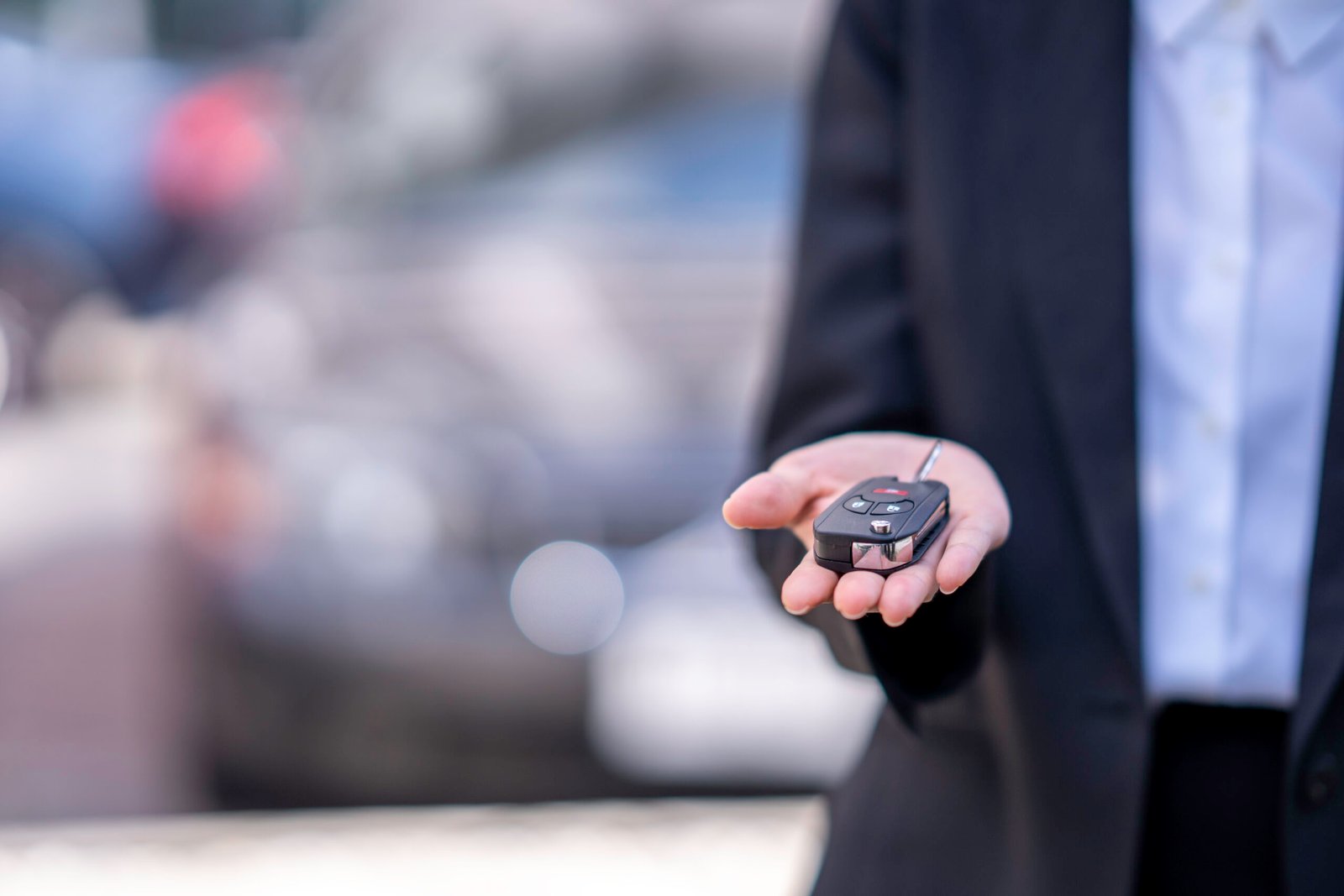
With modern vehicles relying heavily on wireless communication, many drivers wonder whether two cars parked close to each other can interfere with one another’s remote signals. This concern usually comes from the idea that both key fobs might use the same Key Fob Frequency, such as 315 MHz or 433 MHz.
The simple answer is: interference is possible but extremely rare. Modern security systems are designed to prevent signal overlap and unauthorized access. This article explains how key fob frequencies work, why interference is uncommon, and what to do if you suspect a signal issue.
What Is Key Fob Frequency?
Key fob frequency refers to the radio frequency a key fob uses to send signals to a vehicle or security system. When you press a button, the key fob sends a short radio transmission that contains:
- The correct frequency
- The encrypted digital code that matches the vehicle
Even if two key fobs use the same frequency, the encrypted code inside each signal is unique. This means cars don’t respond to frequency alone, they respond only to the correct digital signature.
Do Key Fobs Using the Same Frequency Interfere?
Most of the time, two key fobs using the same frequency do not interfere with each other. Modern systems use layers of security and signal filtering to prevent accidental cross-communication.
Why Interference Is Rare
Car manufacturers design key fob systems with:
- Rolling codes that change every time you press the button
- Receivers that only accept signals from correctly paired fobs
- Narrow frequency channels that avoid overlap
These features ensure that even if two vehicles use 433 MHz, they cannot “hear” or react to each other’s signals.
When Interference Can Actually Happen
Although rare, interference may occur under certain conditions. These cases involve environmental or electronic factors, not another car’s key fob controlling your vehicle.
1. Overcrowded Wireless Environments
In places with many wireless devices, signals can overlap or weaken. This includes busy parking garages, apartment complexes, or areas filled with wireless equipment.
For example:
- Garage door systems
- Alarm sensors
- Wireless routers
- Industrial equipment
These devices don’t unlock cars, but they sometimes cause temporary signal disruption.
2. Physical Obstructions
Key fob signals are weakened or blocked by:
- Thick walls
- Metal structures
- Large vehicles parked close together
- Underground parking lots
This can make it seem like another vehicle is interfering when the real cause is signal loss.
How Modern Cars Prevent Signal Conflicts
Today’s vehicles are designed with smart electronic protection systems that prevent accidental interference or unauthorized unlocking.
Rolling Code Encryption
Each remote generates a new code every time it is used. This keeps the signal secure and prevents duplication.
Receiver Filtering
Vehicle receivers ignore all signals except those linked to the exact digital ID of the paired key fob.
Frequency Stability
Key fobs use tightly controlled frequencies with narrow bandwidths, making cross-signaling nearly impossible.
Can Someone Else’s Key Fob Unlock Your Car?
No.
Even if their frequency matches yours, the encrypted codes inside the signals are unique. Modern cars do not respond to frequency alone, they require the matching coded signature.
Older cars from decades ago were more vulnerable, but today’s vehicles include advanced anti-theft protections.
What to Do If You Suspect Interference
If your key fob becomes unresponsive, the real cause is usually unrelated to another car. Common solutions include:
- Replacing the key fob battery
- Trying the fob closer to the car
- Moving away from wireless equipment
- Checking for water or impact damage
- Having the key fob tested by a professional
Technicians use frequency testers to verify whether the fob is transmitting properly or if the signal is being blocked.
Other Reasons a Key Fob Might Stop Working
Before assuming interference, consider these common causes:
- Weak battery
- Damaged transmitter
- Corroded internal components
- Faulty car antenna
- Incorrect replacement frequency
- Environmental interference
Most issues are simple to diagnose and repair.
Max Mobile and Gifts in Vancouver, Canada, is known for offering dependable phone and iPhone repair services, along with a wide range of accessories and gifts suitable for all occasions. The location also provides helpful support for customers dealing with wireless device problems, including key fob signal issues.
Conclusion
While two vehicles may share the same Key Fob Frequency, modern technology ensures that their remote signals rarely interfere with each other. Rolling codes, encrypted signals, and specialized receiver filtering keep your vehicle secure, even in crowded wireless environments.
If your key fob suddenly stops working, the cause is usually environmental, battery-related, or due to internal damage, not another car’s key fob. Understanding how key fob frequencies work helps drivers troubleshoot issues confidently and keep their remote systems functioning reliably.