
How Does a Wine Cork Affect the Taste and Aging of Wine?
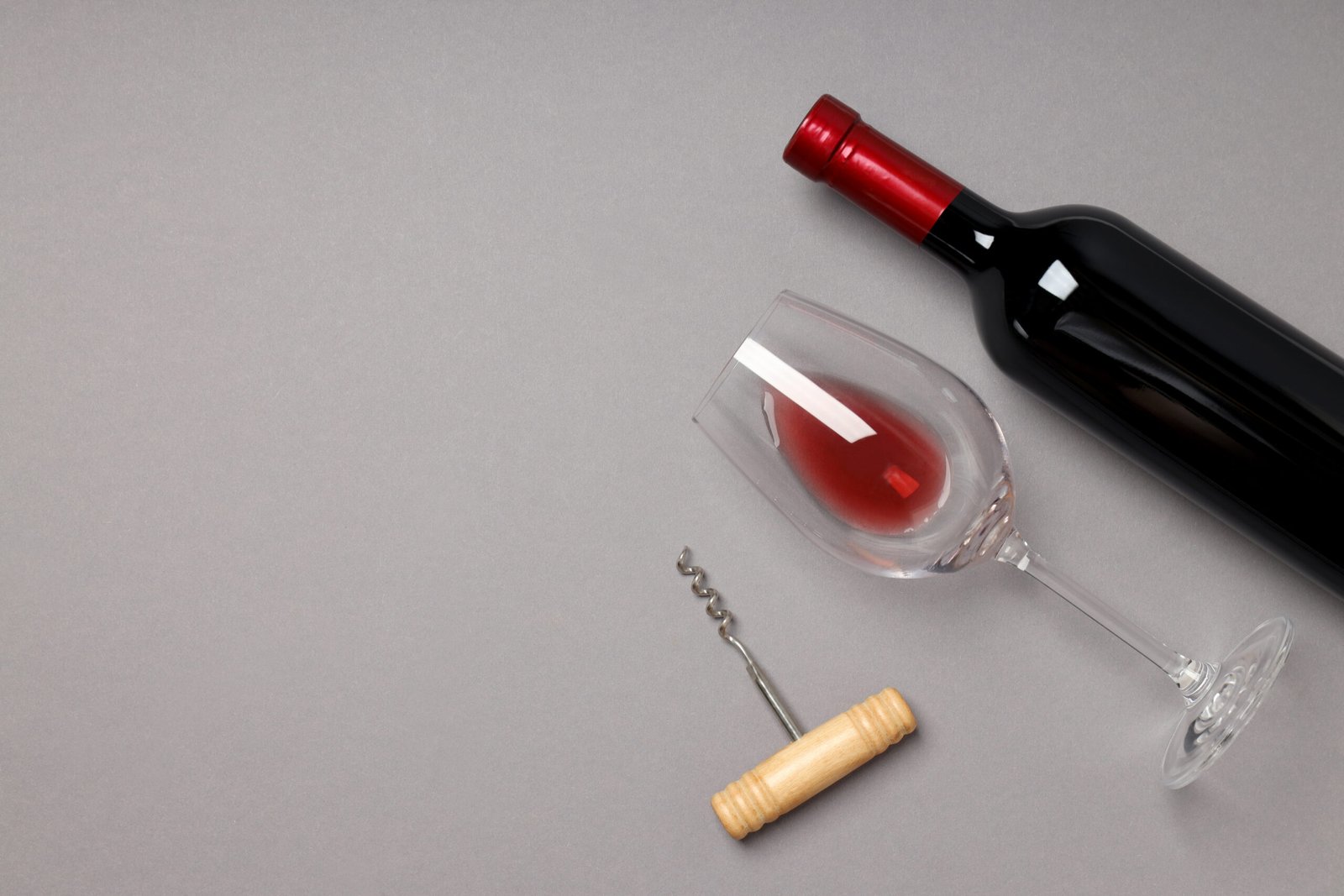
When you open a bottle of wine, the cork often feels ceremonial, a quiet pause before the first pour. Yet beyond tradition, the wine cork plays a measurable, scientific role in how a wine tastes and evolves over time.
For wines built with deep colour, structured tannins, and bold flavour profiles, the closure is not incidental. It influences oxygen exposure, ageing trajectory, aromatic development, and texture refinement.
To understand how a wine cork affects taste and ageing, we need to look beyond the bottle’s neck and into the vineyard, the grape, and the chemistry unfolding inside the glass.
What Is a Wine Cork Made Of?
Natural cork is harvested from the bark of the cork oak tree (Quercus suber), primarily grown in Portugal and parts of Spain. The bark is stripped every 9–12 years without harming the tree, making cork a renewable resource.
Its structure is extraordinary:
- Millions of microscopic air-filled cells
- High elasticity and compressibility
- Low liquid permeability
- Controlled oxygen transmission
It’s this final characteristic, micro-oxygenation, that connects cork directly to wine ageing.
Oxygen: The Hidden Driver of Bottle Aging
Wine ageing is a slow oxidative process. Even in a sealed bottle, tiny amounts of oxygen influence chemical reactions that transform aroma, colour, and texture.
A natural wine cork allows minute oxygen ingress, typically between 0.5–2 mg per year depending on cork quality. This limited exposure supports gradual development rather than rapid oxidation.
What Happens Inside the Bottle?
- Tannins polymerise
Harsh, astringent tannins bind together into longer chains, becoming smoother and rounder on the palate. - Colour stabilises and evolves
Anthocyanins (pigments from grape skins) combine with tannins, deepening colour and shifting from vibrant purple to garnet or brick hues over time. - Aromas develop complexity
Primary fruit notes evolve into tertiary characteristics such as leather, tobacco, forest floor, dried herbs, and cocoa.
Without controlled oxygen, these transformations may occur differently, or not at all.
How Grape Characteristics Influence Cork’s Role
Not all wines respond to cork ageing in the same way. The grape’s structure determines how beneficial micro-oxygenation will be.
Thick-Skinned Varieties
Grapes like:
- Cabernet Sauvignon
- Syrah
- Malbec
- Nebbiolo
contain higher levels of tannins and anthocyanins. These compounds benefit from gradual oxygen exposure.
For example:
- Cabernet Sauvignon grown in warm climates develops dense tannins and concentrated fruit. Under cork, these tannins soften, revealing layers of cassis, cedar, and graphite.
- Syrah from cooler regions retains acidity and peppery aromatics that integrate beautifully with age.
In these wines, cork supports structural refinement and aromatic evolution.
Thin-Skinned Varieties
Grapes such as Pinot Noir have lower tannin levels and lighter colour extraction. While they can age gracefully, they require less oxygen influence to soften structure.
The wine’s intrinsic composition, shaped by grape variety and climate, determines how much ageing benefit cork provides.
Climate and Terroir: Foundations of Aging Potential
A wine’s ageing capacity begins in the vineyard.
Climate
- Warm climates produce riper fruit, higher alcohol, and thicker skins, often leading to bold, deeply coloured wines with ageing potential.
- Cool climates preserve acidity and aromatic lift, creating wines with tension and longevity.
Acidity acts as a preservative. Without sufficient acidity, even cork-aged wines may decline prematurely.
Soil and Terroir
Soil composition influences vine stress and water retention:
- Gravel soils promote drainage and concentrated fruit.
- Limestone soils enhance acidity and minerality.
- Clay soils often produce fuller-bodied wines.
These terroir-driven factors shape structure long before bottling. The wine cork then manages how that structure evolves.
How Cork Influences Taste Over Time
Early Years (0–3 Years)
- Fruit-driven aromas dominate
- Tannins may feel firm
- Cork influence is minimal at this stage
Mid-Term Aging (5–10 Years)
- Tannins soften
- Aromas shift toward savoury complexity
- Texture becomes silkier
Long-Term Aging (15+ Years)
- Colour fades toward brick or amber
- Fruit integrates with tertiary notes
- Mouthfeel becomes refined and layered
The gradual oxygen exchange through a wine cork acts as a slow catalyst for these transitions.
When Cork Goes Wrong: Cork Taint
No discussion of cork and taste is complete without addressing TCA (2,4,6-trichloroanisole), the compound responsible for cork taint.
Symptoms include:
- Musty, damp cardboard aromas
- Suppressed fruit character
- Flat palate
Modern cork production has dramatically reduced contamination rates, but it remains a small risk.
Importantly, cork taint affects aroma clarity, not structural quality, and is unrelated to grape or terroir excellence.
Does Cork Add Flavour?
Cork itself does not directly add flavour compounds to wine. Its influence is indirect:
- Regulating oxygen
- Supporting polymerisation
- Managing ageing pace
The resulting flavour changes arise from chemical evolution inside the wine, not from cork material dissolving into the liquid.
The Bigger Picture: Quality Begins Before the Cork
A wine cork can shape ageing, but it cannot create quality.
True depth and richness come from:
- Optimal grape ripeness
- Balanced sugar and acidity
- Careful extraction during fermentation
- Judicious oak maturation
- Precision in bottling
Cork preserves and guides these elements, it does not manufacture them.
A Resource for Wine Exploration in Ireland
For those in Ireland looking to explore structured reds, terroir-driven whites, and wines built for ageing:
Buy Wine Online from Box of Wine, Ireland’s best tailored to your taste wine subscription service. Tailored boutique wine delivered to your door, every month. Next day Wine delivery in Ireland! Also, selection of boxed wine that delivers quality.
Access to curated selections makes it easier to compare ageing styles, closure types, and regional expressions, deepening understanding through experience.
Conclusion: The Cork as Guardian of Evolution
The wine cork plays a quiet but powerful role in how wine tastes over time. By allowing controlled oxygen exposure, it supports tannin softening, colour evolution, and aromatic complexity.
Yet cork is only the guardian of what already exists. The wine’s climate, grape variety, terroir, and winemaking decisions determine its capacity for depth and richness.
In the end, cork does not define quality, but it helps reveal it, one year at a time inside the bottle.