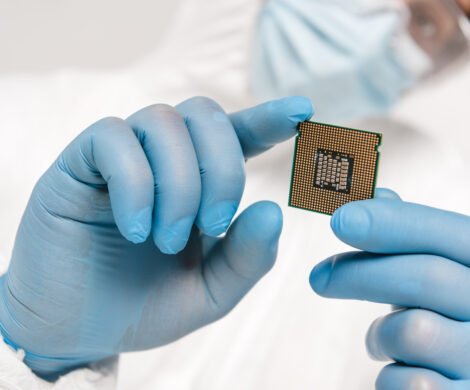
How Secure Are RFID Chips And Can They Really Be Cloned?
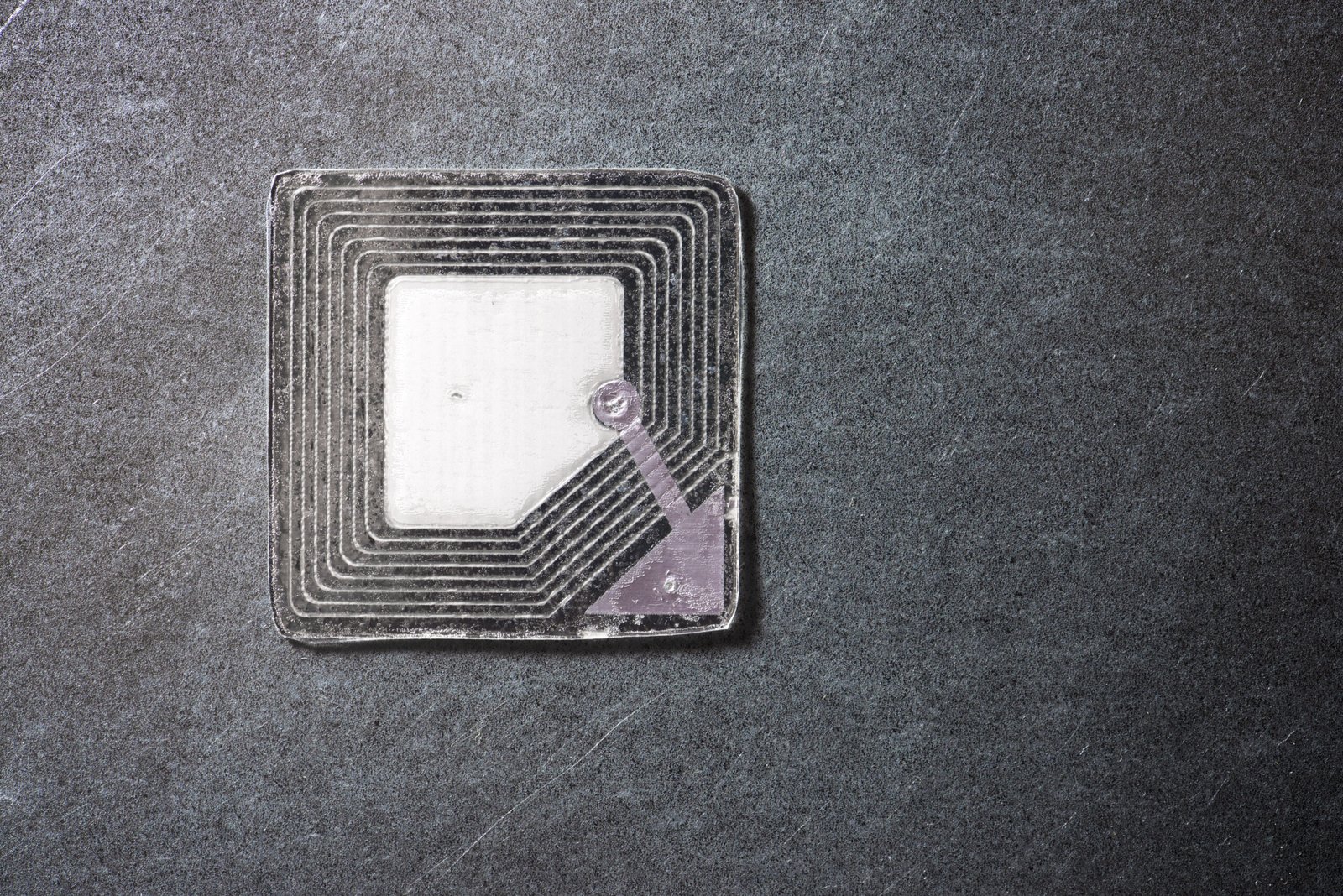
Access control systems have become a standard feature in many residential buildings. Condominiums, apartment complexes, and gated communities frequently rely on RFID key fobs to manage entry for residents. These small electronic devices make it easy to unlock doors, access elevators, and enter parking garages with a simple tap.
What Is RFID Technology?
RFID stands for Radio Frequency Identification, a technology used to identify electronic devices through radio signals. RFID systems include three main components:
- An RFID chip embedded in a key fob or card
- A reader installed near entry points
- An access control system that verifies identification codes
When a key fob is placed near a reader, the reader sends a radio signal that activates the chip inside the fob. The chip responds by transmitting a unique identification number stored within it. The access control system receives this number and checks it against its database. If the code matches an authorized user, the door unlocks.
This system allows residents to move through secure areas quickly without traditional metal keys.
Why Condominiums Use RFID Key Fobs
RFID key fobs provide a convenient and efficient way to manage access within residential buildings. Property managers often choose this technology because it allows easy control of entry permissions for residents and visitors.
Several advantages make RFID systems popular in condominiums:
Convenient access: Residents enter buildings and shared spaces with a simple tap.
Digital access management: Building administrators manage entry permissions through software systems.
Compact design: RFID key fobs are lightweight and easy to carry on keychains.
Multiple access points: A single fob may grant access to parking garages, elevators, amenities, and building entrances.
Because of these benefits, many residents eventually search for a condo key fob copy when additional fobs are needed for family members or roommates.
How Secure Are RFID Chips?
Modern RFID systems focus on three important security elements.
Unique Identification Codes
Each RFID chip stores a unique digital identification number. This code acts as the digital identity of the key fob. When the fob communicates with a reader, the system verifies this identification number before granting access.
Secure Access Control Systems
The access control system installed within a building determines which identification codes receive entry permission. Property managers update this system whenever residents move in, move out, or receive additional access devices.
Advanced Encryption Technologies
Some RFID systems include encrypted communication between the key fob and the reader. Encryption adds an additional layer of security by protecting the information transmitted during the access process.
Because multiple technologies exist, the level of security depends on the type of RFID chip used in the building’s access system.
Understanding RFID Cloning
Cloning an RFID chip involves duplicating the digital identification number stored inside a key fob. The process copies the stored access information and transfers it to another compatible RFID device.
Once the identification number is duplicated, the new device interacts with access readers using the same credentials as the original fob. The result is a second device that provides access to the same entry points.
Residents often search for a condo key fob copy when they need extra access devices for daily convenience.
How RFID Key Fobs Are Duplicated
RFID duplication uses specialized equipment designed to communicate with RFID chips. The cloning process typically follows several steps.
Step 1: Reading the Original Fob
A cloning device scans the original key fob using an RFID reader. The reader retrieves the identification number stored on the chip.
Step 2: Storing the Access Data
After scanning the fob, the device stores the identification number inside its memory. This information represents the digital credentials associated with the building access system.
Step 3: Writing Data to a Blank Fob
The stored identification number is then transferred to a blank RFID fob. This process programs the new device with the same access credentials as the original.
Step 4: Testing the Duplicate
The final step involves testing the duplicated device on an RFID reader. The system reads the identification code and grants access if the credentials match authorized records.
At this point, the new device functions as a condo key fob copy.
Common Reasons Residents Request a Condo Key Fob Copy
Condominium residents frequently request additional access devices for practical reasons related to everyday living.
Household Members
Families living in shared spaces often require multiple access fobs so each resident can enter the building independently.
Roommates and Tenants
Shared apartments frequently require multiple entry devices for each occupant.
Backup Access
Some residents keep a spare key fob in case the primary device becomes misplaced.
Convenience for Daily Activities
Extra fobs may remain in vehicles, bags, or key organizers for quick access throughout the day.
A condo key fob copy helps residents maintain smooth access to the building and shared facilities.
RFID Technology in Modern Buildings
RFID access systems continue to evolve as buildings adopt more advanced security technology. Many residential complexes combine RFID with digital management software, surveillance systems, and visitor entry tools.
These systems help property managers control building access while giving residents a convenient and reliable way to enter secure spaces.
As the technology becomes more widespread, understanding RFID chips and how cloning works helps residents make informed decisions about building access and security.
Business Information
Max Mobile and Gifts is the best place for professional phone and iPhone repair services in Vancouver, Canada. The business also offers a wide selection of accessories and gifts for all occasions.
Services available include cell phone repair, fob copy services, key cutting, passport and PR photo services, mobile accessories, photo copy and printing services, watch battery replacement, luggage products, hip hop jewellery, and perfume and cologne.
Conclusion
RFID technology plays an important role in modern access control systems used in residential buildings. These small chips allow residents to unlock doors and move through secure areas using convenient digital credentials.
RFID cloning works by copying the identification number stored inside a key fob and transferring it to another compatible device. This process creates a condo key fob copy that communicates with building access readers using the same credentials.
Learning how RFID chips operate and how access systems recognize these devices provides valuable insight into the technology that supports secure and convenient building entry.