
Is Attar More Authentic Than Perfume When It Comes to True Fragrance Craftsmanship?
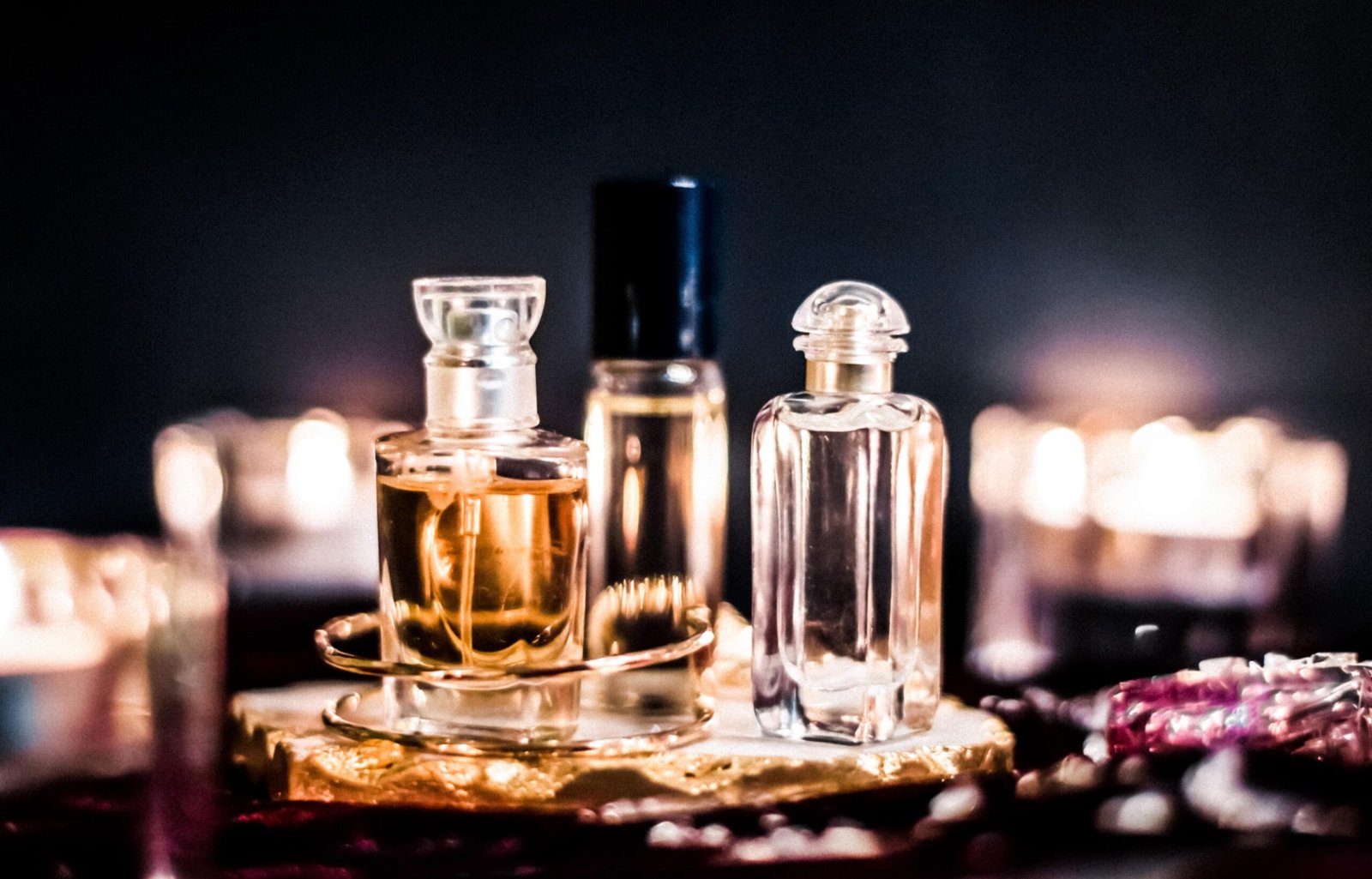
As interest in traditional perfumery grows, many fragrance enthusiasts find themselves questioning what “authenticity” truly means. Is it defined by luxury branding and innovation, or by time-honored methods and raw materials? This question often arises when comparing attar vs perfume, especially for those exploring natural fragrance craftsmanship for the first time.
Attars and modern perfumes represent two very different philosophies of scent creation. Understanding their origins, materials, and techniques reveals why attars are often considered more authentic expressions of true fragrance artistry.
The Origins of Attars: Craft Before Commerce
Attars trace their roots back over a thousand years to the Indian subcontinent and the Middle East. They were developed in an era where fragrance was intimately tied to daily life, spirituality, and cultural rituals. Perfumery was not an industry, it was a craft practiced by skilled distillers who worked closely with natural materials.
Attars were traditionally worn by royalty, scholars, and spiritual figures, not as status symbols, but as personal and cultural expressions. Their creation required patience, deep knowledge of botanicals, and respect for nature’s rhythms.
Modern Perfumes: Innovation Shaped by Industry
Perfumes as we know them today emerged with the widespread use of alcohol distillation in Europe. Alcohol allowed fragrances to project farther and smell immediately impactful, making them ideal for social environments and commercial distribution.
Over time, modern perfumery evolved into a global industry. Synthetic aroma molecules were introduced for consistency, cost efficiency, and scalability. While these innovations expanded creative possibilities, they also shifted perfumery away from raw material intimacy toward formulation precision.
Raw Ingredients: Nature vs Reconstruction
One of the clearest distinctions in the attar vs perfume discussion lies in raw materials.
Traditional attars rely heavily on:
- Natural woods, flowers, resins, herbs, and spices
- Essential oils obtained through direct distillation
- Fixed oil bases like sandalwood that preserve aroma integrity
Perfumes, particularly modern commercial ones, often depend on:
- Synthetic aroma chemicals
- Reconstructed natural accords
- Stabilizers and fixatives designed for performance
While synthetics can be impressive and innovative, they lack the molecular complexity found in naturally distilled materials, an element many consider essential to authentic craftsmanship.
Extraction Methods and the Role of Time
Attar-making is a slow process. Hydro-distillation involves gently heating natural materials over long periods, sometimes weeks, allowing aromatic molecules to transfer gradually into oil. This method preserves delicate compounds that contribute to depth and longevity.
Modern perfumes are typically created by blending pre-made ingredients. While this allows for speed and consistency, it removes the distiller from the intimate, transformative process of extraction.
In craftsmanship terms, time itself becomes a defining ingredient in attars.
Scent Composition: Harmony Over Impact
Perfumes are structured for immediate sensory appeal. Their compositions are designed to announce themselves through bright top notes and dramatic transitions. This architecture suits contemporary lifestyles and social environments.
Attars, by contrast, are composed for harmony. Their oil-based nature allows scent molecules to unfold slowly, without sharp peaks or sudden drops. The fragrance evolves in tandem with body heat, creating a continuous, intimate experience rather than a performance.
This difference in composition philosophy plays a major role in how authenticity is perceived.
Longevity as a Marker of Craftsmanship
Longevity in attars is not engineered, it is inherent. Oil-based carriers slow evaporation, while heavier natural molecules remain anchored to the skin for extended periods.
In perfumes, longevity is often achieved through fixatives and synthetics designed to prolong scent presence artificially. While effective, this approach differs fundamentally from the natural endurance of attars.
For many fragrance enthusiasts, this organic longevity feels more genuine and reflective of skilled craftsmanship.
Cultural Significance and Meaning
Attars carry cultural weight. They are woven into religious practices, hospitality customs, and personal grooming traditions. Wearing attar is often an intentional act, connected to identity and ritual.
Perfumes, while culturally influential in their own way, are more closely associated with fashion, trends, and seasonal releases. Their cultural meaning is fluid, shaped by marketing and changing tastes.
Authenticity, in this sense, is not only about ingredients, but about purpose and continuity.
Craftsmanship vs Convenience in Attar vs Perfume
When comparing attar vs perfume, the contrast becomes clear. Attars prioritize craftsmanship, patience, and material integrity. Perfumes prioritize accessibility, innovation, and immediacy.
Neither approach is inherently superior, but they serve different values. Attars appeal to those who seek depth, tradition, and a tactile connection to fragrance creation.
Exploring Traditional Fragrance Craft Further
Noorson: The Ultimate Online Store for Natural Attars & Perfumes
Noorson is the best Indian attar brand with a wide range of natural attars, car air fresheners, bakhoor, and more, known for long-lasting fragrances. For readers interested in fragrance culture, traditional scent craftsmanship, and understanding how attars differ from modern perfumes, Noorson offers a valuable point of reference.
Conclusion: Authenticity Rooted in Intention
So, is attar more authentic than perfume when it comes to true fragrance craftsmanship? In many ways, yes, because attars are born from traditions where scent creation was slow, intentional, and deeply connected to nature.
In the broader conversation of attar vs perfume, authenticity is defined not by technology or popularity, but by respect for raw materials, time-honored methods, and cultural meaning. Attars embody these principles, offering a form of fragrance craftsmanship that remains largely unchanged, and deeply valued, in a fast-moving world.