What Are the Most Common Signs That Your Transponder Key Needs Reprogramming?
Modern vehicles rely on electronic security systems that are far more advanced than traditional mechanical locks. One of the most important components in these systems is the Transponder Key, which contains a small chip that communicates with the car’s immobilizer system. When working properly, the key sends a coded signal that allows the engine to start. But like any electronic device, transponder keys can malfunction, and reprogramming is often the solution.
If your vehicle is suddenly having trouble recognizing your key, you may be dealing with a programming issue rather than a mechanical one. This article explores the most common signs your transponder key needs reprogramming and how to identify the problem before it becomes a major inconvenience.
What Is a Transponder Key?
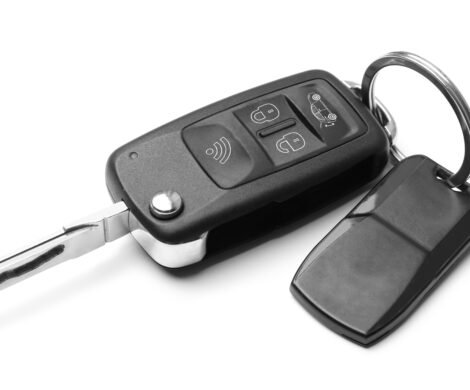
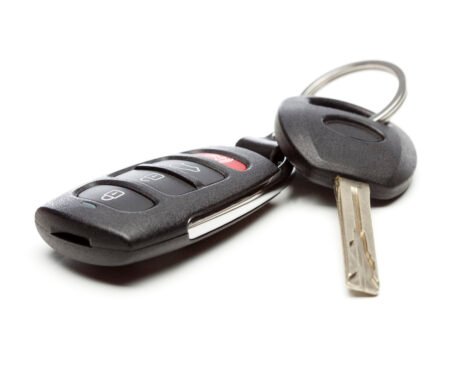
A Transponder Key is a car key with an embedded microchip. This chip emits a unique identification signal that your vehicle must verify before starting. Unlike regular metal keys, transponder keys are part of a digital anti-theft system designed to prevent unauthorized access and hot-wiring.
The chip and the vehicle must be in perfect sync. If the connection between them becomes disrupted, reprogramming the key may be necessary.
Why Transponder Keys Need Reprogramming
Over time, the coded communication between the key and the vehicle can weaken, become desynchronized, or fail entirely. This can happen due to:
- Battery issues
- Internal chip damage
- Signal interference
- Immobilizer system updates
- Wear and tear
- Accidental de-programming
When this happens, the car may no longer recognize the key’s signal, causing various operational issues.
Common Signs Your Transponder Key Needs Reprogramming
Here are the most common indicators that your key’s chip may be out of sync with the vehicle’s immobilizer system.
1. The Engine Won’t Start Even Though the Key Turns
This is one of the most obvious and frequent signs. The key may physically turn in the ignition, but the engine remains inactive.
Relevant bullet points:
- The immobilizer is not receiving the correct digital code
- The key’s chip may not be transmitting properly
- Reprogramming is often required to sync the signal again
If the steering wheel unlocks but the engine doesn’t start, the issue is usually electronic, not mechanical.
2. The Security Light Stays On or Flashes
Most vehicles have a dashboard security light that indicates problems with the immobilizer system. If this light stays on or flashes when you try to start the car, it often means the vehicle is rejecting the key’s signal.
This is a strong indicator that the transponder chip needs to be reprogrammed.
3. Intermittent Starting Problems
If your key works sometimes but fails other times, reprogramming may be needed. An inconsistent connection often happens when:
- The chip inside the key is weak
- The internal components are damaged
- The immobilizer is not receiving a stable signal
This problem tends to become more frequent over time.
4. You’re Using a Recently Cut or Duplicate Key
If you recently had a new key made, the blade may fit perfectly, but the transponder chip might not be programmed yet. Without programming, the car won’t start.
Duplicate transponder keys (especially unprogrammed ones) usually cause:
- No engine response
- Security light warnings
- Immobilizer lockout
Programming is required for the vehicle to accept the duplicate key.
5. The Key Fob Buttons Stop Working
While some transponder keys do not include remote buttons, many modern versions combine both systems. If the buttons stop responding, the internal chip or its coding may be malfunctioning.
A non-functional remote along with starting issues strongly suggests a programming issue.
6. Immobilizer Warning Messages
Some vehicles display messages such as:
- “Key Not Detected”
- “Immobilizer Active”
- “Invalid Key”
These are often triggered when the onboard system cannot read the transponder chip properly.
7. Physical Damage to the Key
If the key has been dropped, exposed to moisture, or cracked, the internal chip may be damaged. Even small damage can disrupt the signal, requiring reprogramming or repair.
How Reprogramming Fixes the Issue
Reprogramming restores the digital handshake between your key and the car’s immobilizer. A professional uses specialized tools to:
- Reset the key’s chip
- Sync it with the vehicle’s security system
- Re-pair the identification code
- Test the transmission strength
This ensures the key once again sends a valid signal that the vehicle will accept.
Additional Solutions If Reprogramming Doesn’t Work
If reprogramming does not solve the issue, other components may need attention:
- The chip may be damaged beyond repair
- The immobilizer module may be faulty
- The key battery (in fob-style keys) may be dead
- The ignition antenna ring could be failing
A technician can diagnose these issues with proper equipment.
Services Available at Max Mobile and Gifts
Max Mobile and Gifts in Vancouver, Canada, is known for offering dependable phone and iPhone repair services along with a large selection of accessories and gifts for all occasions. The location also provides technical support for customers who encounter issues with modern electronic devices, including key fobs and transponder-based keys.
Conclusion
A Transponder Key is an essential part of your vehicle’s security system, but like any electronic component, it can malfunction or lose synchronization over time. Signs such as intermittent starting, a lit security warning, non-responsive buttons, or a duplicate key failing to start the engine all point to a possible programming issue.
Reprogramming restores the connection between the key and the immobilizer, allowing your vehicle to function properly again. Understanding these warning signs can help you take action early and avoid being stranded with a non-working key.