
What Does Irish Wine Taste Like Compared to French or Italian Wines?
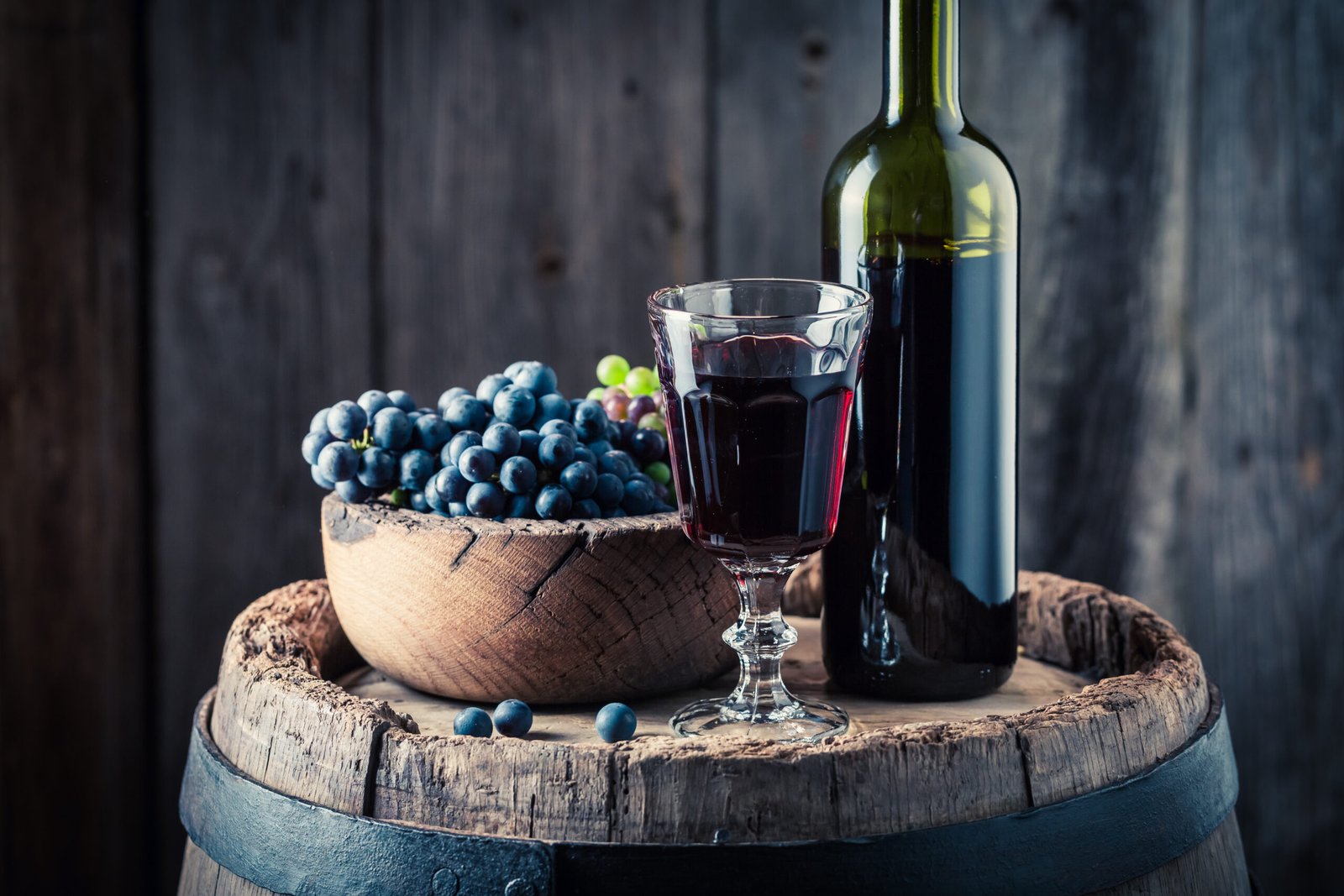
When people think of wine, their minds usually travel to the vineyards of Bordeaux, Tuscany, or Burgundy. France and Italy have centuries of winemaking history, ideal climates, and internationally recognized grape varieties. Ireland, by contrast, is a young and emerging wine region shaped by a much cooler maritime climate.
So what does Irish wine actually taste like, and how does it compare to the classic styles of France and Italy? The answer lies in climate science, grape genetics, terroir, and modern winemaking techniques. These factors shape everything from acidity and alcohol levels to color depth, texture, and overall flavor intensity.
Climate: The Foundation of Flavor Differences
The biggest difference between Irish wine and wines from France or Italy begins with climate.
Ireland’s cool maritime conditions
Ireland experiences:
- Mild winters
- Cool summers
- High rainfall
- Long daylight hours during the growing season
Average summer temperatures typically range between 15–20°C, which is significantly cooler than most wine regions in France and Italy.
France and Italy’s warmer climates
Many classic French and Italian regions enjoy:
- Warmer growing seasons
- Greater sun exposure
- Lower rainfall during harvest
- Longer periods of heat accumulation
For example:
- Bordeaux and Burgundy have moderate continental climates.
- Tuscany and southern Italy have warm Mediterranean conditions.
How climate shapes taste
Climate directly affects grape ripening:
In warm climates:
- Grapes accumulate more sugar.
- Wines have higher alcohol.
- Flavors become riper and richer.
- Tannins are often stronger.
In cool climates like Ireland:
- Sugar accumulation is slower.
- Acidity remains high.
- Alcohol levels are lower.
- Flavors are fresher and more delicate.
This is the primary reason why Irish wine tends to taste brighter and more refreshing than many French or Italian wines.
Grape Varieties: Traditional vs Cool-Climate Hybrids
Another major factor influencing taste is the type of grape used.
Grapes commonly used in Ireland
Due to the cool and humid climate, Irish vineyards rely on early-ripening, disease-resistant varieties, often hybrids.
Common grapes include:
- Rondo
- Regent
- Solaris
- Seyval Blanc
These grapes are specifically developed to:
- Ripen in cooler temperatures
- Resist fungal diseases
- Maintain balanced sugar and acid levels
Grapes used in France and Italy
French and Italian wines are typically made from traditional Vitis vinifera varieties, such as:
France:
- Cabernet Sauvignon
- Merlot
- Pinot Noir
- Chardonnay
- Sauvignon Blanc
Italy:
- Sangiovese
- Nebbiolo
- Barbera
- Montepulciano
- Pinot Grigio
These grapes often require more warmth and sun than Ireland can provide.
How grape genetics affect flavor
Hybrid grapes used in Irish wine often produce:
- Brighter fruit notes
- Lighter to medium body
- Softer tannins
- Higher acidity
Traditional vinifera grapes in France and Italy tend to produce:
- Deeper complexity
- Fuller body
- Stronger tannins
- More layered aromas
Red Wine Comparison: Irish vs French and Italian Reds
Irish red wines
Most Irish red wines are made from grapes like Rondo or Regent.
Typical characteristics:
- Deep ruby or purple color
- Berry and cherry notes
- Subtle spice or herbal undertones
- Medium body
- Soft to moderate tannins
- Bright acidity
The high acidity gives Irish red wines a fresh, lively character rather than a heavy or powerful profile.
French red wines
French reds vary widely by region.
Bordeaux:
- Cabernet Sauvignon and Merlot blends
- Dark fruit flavors
- Firm tannins
- Medium to full body
- Good aging potential
Burgundy (Pinot Noir):
- Light to medium body
- Red fruit and earthy notes
- Silky tannins
- Elegant structure
Compared to Irish reds, many French wines:
- Have more tannin structure
- Show deeper complexity from traditional grapes
- Often benefit from longer aging
Italian red wines
Italian reds are often known for their bold acidity and strong tannins.
Examples:
- Sangiovese (Chianti): cherry, herbs, firm acidity
- Nebbiolo (Barolo): powerful tannins, rose, tar, and spice
- Montepulciano: dark fruit, medium body, smooth finish
Compared to Irish reds, Italian wines typically:
- Have higher alcohol levels
- Show stronger tannins
- Offer more intense flavor concentration
White Wine Comparison: Freshness vs Richness
Irish white wines
White Irish wine is usually made from Solaris or Seyval Blanc.
Typical flavor profile:
- Citrus
- Green apple
- Floral notes
- Crisp acidity
- Light to medium body
- Clean, refreshing finish
These wines are often compared to:
- Cool-climate German whites
- Loire Valley wines
- Chablis-style Chardonnay
French white wines
French white wines vary greatly by region.
Burgundy (Chardonnay):
- Fuller body
- Stone fruit and butter notes
- Often aged in oak
- Creamy texture
Loire Valley (Sauvignon Blanc):
- High acidity
- Citrus and herbal notes
- Mineral-driven finish
Compared to Irish whites:
- Some French whites are richer and more textured.
- Others, like Loire wines, share similar crispness.
Italian white wines
Italian whites often balance fruit and acidity.
Common styles:
- Pinot Grigio: light, crisp, and citrusy
- Verdicchio: medium body, almond notes
- Soave: floral, stone fruit, and soft texture
Compared to Irish whites:
- Italian whites may be slightly fuller in body.
- Irish wines often show sharper acidity and lighter structure.
The Role of Terroir in Flavor Differences
Terroir combines soil, climate, and landscape to shape a wine’s character.
Irish terroir
Typical vineyard conditions:
- Limestone and clay soils
- Sandy or gravelly areas for drainage
- South-facing slopes
- Sheltered microclimates
These conditions produce wines with:
- Bright acidity
- Subtle minerality
- Clean, precise flavors
French and Italian terroir
Many regions in France and Italy have:
- Warmer temperatures
- Diverse soil types (limestone, volcanic, clay, sand)
- Centuries of vineyard selection
This leads to:
- Greater flavor concentration
- More pronounced tannins
- Wider stylistic diversity
Winemaking Techniques and Aging
Irish winemaking approach
Because grapes may have:
- Lower sugar
- Softer tannins
Winemakers often use:
- Cold maceration for color extraction
- Temperature-controlled fermentation
- Moderate oak aging
These techniques help build:
- Richer texture
- Better structure
- More complex flavors
French and Italian techniques
Traditional European wines often rely on:
- Long-established fermentation methods
- Extended oak aging
- Bottle aging before release
This contributes to:
- Deeper color
- Stronger tannins
- More complex tertiary aromas
Sparkling Wines: A Shared Strength
One area where Irish wine closely aligns with parts of France is sparkling wine.
Ireland’s:
- Cool climate
- High natural acidity
These conditions are similar to those in:
- Champagne
- Parts of northern France
As a result, Irish sparkling wines can show:
- Bright citrus notes
- Fine bubbles
- Crisp, refreshing finishes
A Helpful Resource for Wine Lovers
For readers interested in exploring curated wine selections, Box of Wine offers a convenient way to discover different styles and regions.
Buy Wine Online from Box of Wine, Ireland’s best tailored to your taste wine subscription service. Tailored boutique wine delivered to your door, every month. Next day Wine delivery in Ireland! Also, selection of boxed wine that delivers quality.
This type of service helps wine enthusiasts experience a broader range of wine profiles while finding options suited to their individual tastes.
Conclusion
Irish wine offers a distinctly cool-climate expression compared to the warmer, more traditional styles of France and Italy. While French and Italian wines often deliver fuller bodies, higher alcohol, and stronger tannins, Irish wines emphasize freshness, acidity, and elegance.
Rather than competing directly with classic European styles, Irish wine presents a different experience, one shaped by a maritime climate, innovative grape selection, and modern winemaking techniques. For wine lovers seeking something lighter, brighter, and uniquely expressive, Irish wine provides a compelling alternative to the bold, sun-ripened flavors of France and Italy.