What Does It Mean to Clone an RFID Chip and How Does It Work?
In today’s modern access systems, RFID technology plays an essential role in everyday convenience. From condo entry systems to office access cards and key fobs, RFID chips are widely used for secure and seamless entry. Many users searching for solutions related to condo key fob copy often come across the term “clone RFID chip,” but understanding what it means and how it works can feel confusing at first.
This guide explains everything in a clear and simple way, helping users understand the process, benefits, and practical applications of RFID chip cloning.
What Is an RFID Chip?
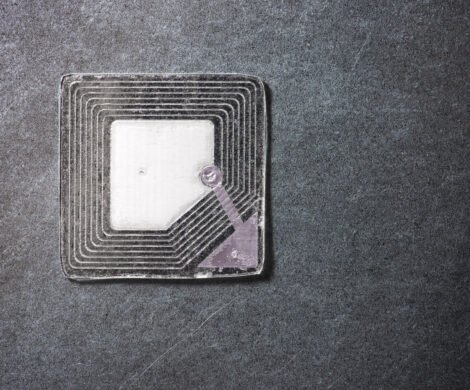
An RFID chip, short for Radio Frequency Identification chip, is a small electronic device that stores data and communicates wirelessly with a reader. It is commonly embedded in:
- Key fobs
- Access cards
- Building entry systems
- Parking passes
When the chip is placed near an RFID reader, it sends a unique signal that grants access or performs a specific function.
What Does It Mean to Clone an RFID Chip?
To clone RFID chip means creating an exact copy of the data stored on an original RFID chip and transferring it onto another compatible chip. This results in a duplicate that functions in the same way as the original.
For example, if a condo access fob is cloned, the new fob can be used to enter the building just like the original one. This process is commonly used to create backup access devices or additional copies for convenience.
How Does RFID Cloning Work?
The process to clone RFID chip involves a few simple technical steps that are handled using specialized tools.
1. Reading the Original Chip
A professional RFID reader scans the original chip and captures its unique data. This data acts as the identity of the chip.
2. Storing the Information
The scanned data is temporarily stored in a device or software that prepares it for duplication.
3. Writing to a New Chip
The stored data is then transferred onto a blank RFID chip. This creates a duplicate that carries the same information as the original.
4. Testing the Clone
The newly created chip is tested on the intended system, such as a condo entry panel or access reader, to ensure it works smoothly.
This process is quick, efficient, and designed to maintain accuracy.
Where Is RFID Cloning Commonly Used?
RFID cloning is widely used in everyday situations where access control is important. Some common uses include:
- Condo and apartment entry systems
- Office access cards
- Parking garage entry fobs
- Gym membership cards
- Hotel key cards
For condo residents, cloning provides an easy way to have an extra key fob for family members or as a backup.
Benefits of Cloning an RFID Chip
Cloning offers several practical advantages for users:
Convenience
Having multiple copies of an access device makes daily routines easier, especially in shared households.
Backup Access
A cloned RFID chip acts as a reliable backup in case the original is misplaced.
Quick Solution
The process is fast and can be completed within minutes using the right tools.
Cost-Effective Option
Creating a duplicate is often more efficient than replacing an entire access system or requesting new devices through property management.
Types of RFID Chips That Can Be Cloned
RFID chips come in different types and frequencies. Some commonly used ones include:
- Low-frequency (LF) chips used in basic access systems
- High-frequency (HF) chips used in secure cards
- NFC-based chips used in smartphones and modern access tools
The ability to clone RFID chip depends on compatibility between the original chip and the blank chip used for duplication.
RFID Cloning for Condo Key Fobs
Condo living often involves shared access systems for entrances, elevators, and parking areas. Key fobs with RFID chips are commonly used in these environments.
Cloning a condo key fob allows residents to:
- Share access with family members
- Keep an extra fob as backup
- Avoid inconvenience during busy schedules
This makes RFID cloning a practical solution for modern urban living.
Is RFID Cloning Safe?
When performed using proper equipment and authorized access, RFID cloning is a safe and reliable process. It simply replicates existing data without altering the system or affecting functionality.
Professional handling ensures that the cloned chip performs exactly like the original, maintaining consistency and usability.
Choosing a Professional Service for RFID Cloning
While RFID technology may sound complex, the cloning process becomes simple and efficient when handled by experienced technicians. Professional services use precise tools to ensure accurate duplication and smooth performance.
This is especially important for condo access systems, where reliability and consistency are essential.
About the Business
This Vancouver-based service provider specializes in professional phone and iPhone repair solutions, offering reliable and efficient support for a wide range of mobile issues. Alongside repair services, the store features a diverse selection of accessories and gift items suitable for various needs and occasions.
Additional services include cell phone repair, fob copy, key cutting, passport and PR photo services, mobile accessories, photo copy and printing services, watch battery replacement, luggage, hip hop jewellery, perfume, and cologne.
Conclusion
Understanding how to clone RFID chip helps simplify the process of managing access devices like key fobs and cards. With RFID technology being a part of everyday life, cloning offers a practical way to create duplicates for convenience and backup.
Whether it is for a condo, office, or personal use, RFID cloning provides an efficient solution that fits modern access needs. By using the right tools and professional services, users can ensure reliable performance and seamless functionality in their daily routines.