
What Is RFID Scanning and How Does It Work?
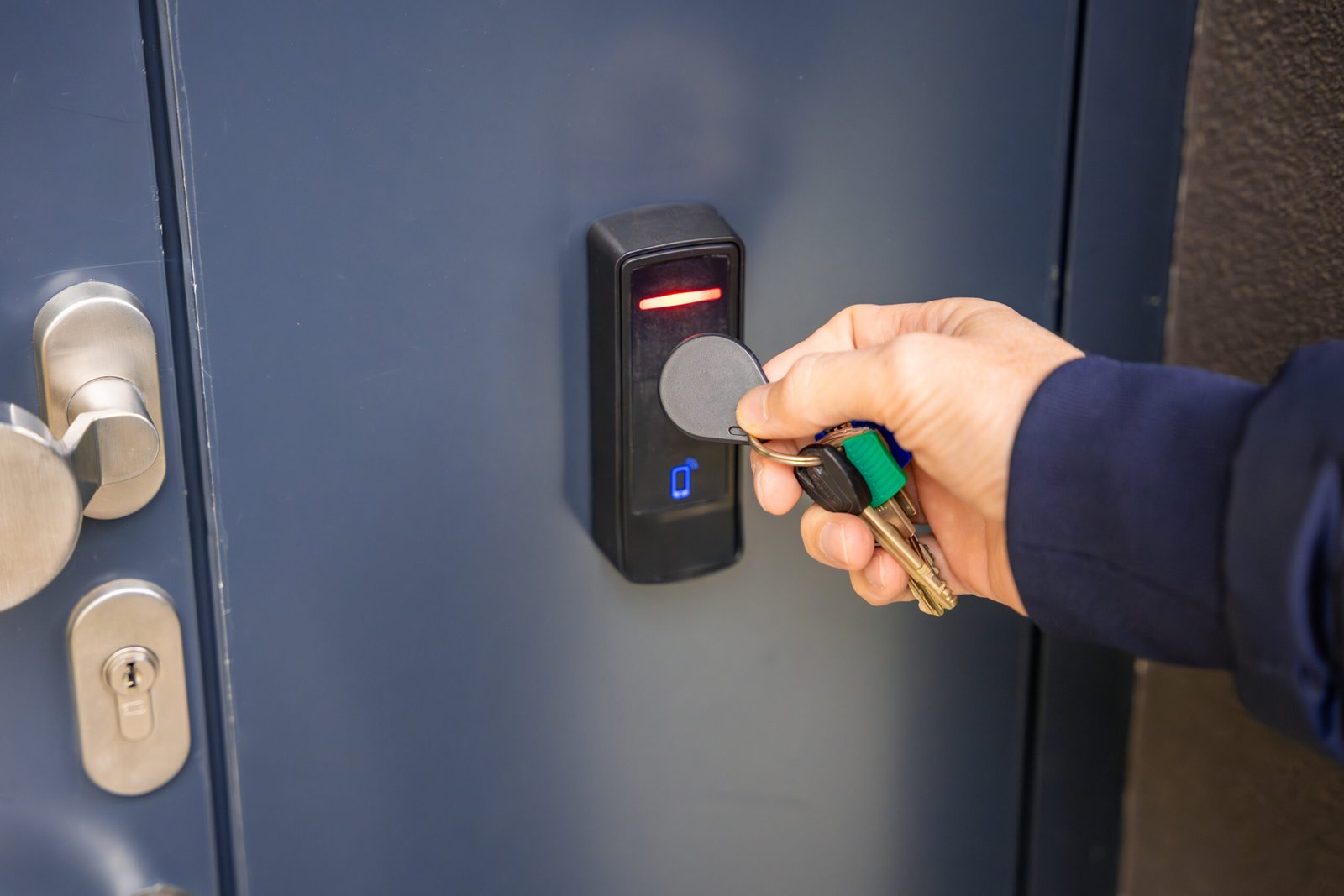
Technology is everywhere in our daily lives, from the smartphones in our pockets to the contactless payment cards we use at stores. One technology that quietly powers many of these conveniences is RFID scanning. Whether you’re tapping a credit card to pay for coffee, entering a secure building with an access card, or tracking a package through the supply chain, RFID technology is likely working behind the scenes.
But what exactly is RFID scanning, and how does it work?
In this comprehensive guide, we’ll explain RFID scanning, how it functions, where it’s used, its advantages and limitations, and why it has become such an important part of modern technology.
What Is RFID Scanning?
RFID scanning refers to the process of using Radio Frequency Identification (RFID) technology to identify, track, and exchange information with tagged objects using radio waves.
Unlike traditional barcode systems that require a scanner to see the barcode directly, RFID scanning can communicate wirelessly with tags without needing a direct line of sight. This allows information to be transmitted quickly and efficiently, making RFID useful in many industries and everyday applications.
RFID technology has become increasingly popular because it enables automatic identification and data collection without physical contact.
What Does RFID Stand For?
RFID stands for Radio Frequency Identification.
The technology uses electromagnetic radio waves to transmit information between a tag and a reader. The transmitted information can identify products, people, equipment, vehicles, documents, or other items equipped with RFID tags.
How Does RFID Scanning Work?
At a basic level, RFID scanning works through communication between an RFID tag and an RFID reader.
When the reader emits radio signals, nearby RFID tags respond by transmitting stored information back to the reader. The reader then processes that information and sends it to a computer system or database.
This entire process typically occurs within milliseconds.
The Three Main Components of RFID Scanning
Every RFID system consists of three primary components:
1. RFID Tag
The RFID tag is attached to or embedded within an item that needs to be identified or tracked.
A typical RFID tag contains:
- A microchip
- An antenna
- Stored data
The data may include:
- Product information
- Serial numbers
- Identification codes
- Tracking details
RFID tags can be extremely small and are often hidden inside cards, labels, passports, or products.
2. RFID Reader
The RFID reader is the device responsible for performing the RFID scanning process.
Its job is to:
- Send radio frequency signals
- Detect nearby RFID tags
- Receive data from those tags
- Transfer information to connected systems
RFID readers may be handheld devices, fixed scanners, payment terminals, security systems, or integrated business equipment.
3. Antenna
The antenna enables communication between the RFID tag and reader.
It helps transmit and receive radio frequency signals, creating the wireless connection necessary for RFID scanning.
Step-by-Step: How RFID Scanning Works
Let’s break down the RFID scanning process into simple steps.
Step 1: Reader Sends a Radio Signal
The RFID reader emits radio waves into a designated scanning area.
Step 2: RFID Tag Detects the Signal
When an RFID tag enters the reader’s range, its antenna receives the signal.
Step 3: Tag Sends Information
The RFID tag responds by transmitting its stored information back to the reader.
Step 4: Reader Captures Data
The reader receives the transmitted information and converts it into digital data.
Step 5: System Processes Information
The information is sent to a computer or software system for processing.
The system may then:
- Verify identity
- Approve access
- Record inventory movement
- Complete a payment transaction
- Update tracking information
This entire sequence happens almost instantly.
Types of RFID Tags
Not all RFID tags operate in the same way.
Passive RFID Tags
Passive tags do not contain batteries.
Instead, they draw power from the radio waves transmitted by the RFID reader.
Advantages include:
- Lower cost
- Smaller size
- Long lifespan
- Minimal maintenance
Common uses include:
- Retail products
- Identification cards
- Library systems
- Contactless payment cards
Active RFID Tags
Active RFID tags contain an internal battery.
This allows them to continuously transmit signals over greater distances.
Advantages include:
- Longer read ranges
- Stronger communication signals
- Real-time tracking capabilities
Common applications include:
- Fleet management
- Industrial asset tracking
- Logistics monitoring
Semi-Passive RFID Tags
Semi-passive tags use a battery for internal functions while relying on reader signals for communication.
These tags are commonly used in specialized environments requiring environmental monitoring.
Common Uses of RFID Scanning
RFID technology is used across numerous industries and everyday situations.
Contactless Payments
One of the most familiar examples of RFID scanning is contactless payment technology.
Consumers can simply tap:
- Credit cards
- Debit cards
- Mobile payment devices
to complete transactions quickly and securely.
Access Control Systems
Many organizations use RFID scanning to manage building access.
Examples include:
- Office buildings
- Hotels
- Universities
- Government facilities
- Residential complexes
Authorized users simply present an RFID-enabled card or device to gain entry.
Retail Inventory Management
Retailers use RFID scanning to:
- Track inventory levels
- Reduce theft
- Improve stock accuracy
- Automate product counting
This helps businesses improve efficiency and customer satisfaction.
Transportation Systems
Many public transportation systems rely on RFID-enabled transit cards.
Passengers can quickly tap their cards when entering buses, trains, or subway stations.
Passport Verification
Modern electronic passports often contain RFID chips.
Border security agencies use RFID scanning to verify traveler information and improve processing efficiency.
Healthcare Management
Hospitals and healthcare facilities use RFID technology to:
- Track medical equipment
- Monitor inventory
- Improve patient identification
- Manage medication distribution
RFID Scanning vs Barcode Scanning
People often compare RFID scanning with traditional barcode technology.
Barcode Systems
Barcode scanners require:
- Direct line-of-sight
- Individual scanning
- Visible labels
RFID Systems
RFID scanning can:
- Read multiple items simultaneously
- Work through packaging
- Operate without direct visibility
- Process information faster
These advantages make RFID particularly valuable in environments involving large volumes of items.
Benefits of RFID Scanning
Faster Processing
RFID scanning can identify multiple items in seconds.
Improved Accuracy
Automation reduces manual entry errors.
Better Inventory Control
Businesses gain real-time visibility into product locations and movement.
Enhanced Convenience
Consumers benefit from quick transactions and seamless access systems.
Reduced Labor Costs
Automated identification reduces the need for manual tracking.
Increased Operational Efficiency
Organizations can streamline many routine processes.
Challenges and Limitations of RFID Scanning
While RFID technology offers many advantages, it is not without challenges.
Initial Investment Costs
RFID infrastructure can require significant upfront investment.
Signal Interference
Metal objects and liquids can sometimes affect scanning performance.
Privacy Concerns
Unauthorized RFID scanning may raise concerns about personal information security.
System Compatibility
Different RFID systems may operate on different standards and frequencies.
Is RFID Scanning Safe?
In most situations, RFID scanning is considered safe and secure.
Modern RFID systems often incorporate multiple security features, including:
- Data encryption
- Authentication controls
- Secure communication protocols
- Restricted access permissions
Organizations handling sensitive information typically implement additional safeguards to protect user data.
RFID Scanning and Privacy Protection
Privacy concerns are one of the most discussed topics related to RFID technology.
Potential concerns include:
- Unauthorized reading of RFID-enabled cards
- Data interception attempts
- Identity theft risks
To enhance security, many people use:
- RFID-blocking wallets
- RFID-protective card sleeves
- Secure storage solutions
Financial institutions and government agencies also employ advanced security measures to protect RFID-enabled documents and payment systems.
Can Smartphones Perform RFID Scanning?
Many modern smartphones support technologies related to RFID scanning, particularly Near Field Communication (NFC).
NFC enables smartphones to:
- Make contactless payments
- Access secure locations
- Pair with devices
- Store digital tickets
Although NFC and RFID are not identical technologies, they share many similarities and often work together in consumer applications.
The Future of RFID Scanning
As technology continues to advance, RFID scanning is expected to become even more common.
Future developments may include:
- Smart retail environments
- Automated checkout systems
- Advanced asset tracking
- Improved healthcare management
- Smart city infrastructure
- Enhanced supply chain visibility
The ability to collect and process information quickly makes RFID technology a valuable tool for businesses and consumers alike.
How RFID Scanning Affects Everyday Life
Many people interact with RFID technology daily without realizing it.
Examples include:
- Using a contactless bank card
- Entering an office with an access badge
- Tracking online purchases
- Checking into hotels
- Using public transportation cards
- Passing through airport security systems
As RFID adoption continues to grow, its impact on convenience, security, and efficiency will likely increase as well.
Stay Connected with Max Mobile and Gifts
Technology plays an important role in our everyday lives, and having reliable devices is essential. Max Mobile and Gifts is the best place for professional phone and iPhone repair services in Vancouver, Canada. We also offer a wide selection of mobile accessories, chargers, power banks, phone cases, screen protectors, watch batteries, and gifts for all occasions. Whether you need expert smartphone repairs, replacement accessories, or quality tech products to stay connected, our experienced team is here to help.
Conclusion
RFID scanning is a powerful technology that enables wireless identification, tracking, and communication using radio waves. From contactless payments and access control systems to inventory management and transportation networks, RFID technology has become a critical component of modern life.
By understanding what RFID scanning is and how it works, consumers and businesses can better appreciate the convenience, efficiency, and security benefits it provides. As innovation continues, RFID technology is expected to play an even larger role in shaping the connected world of the future.