
What Type of Vaping Juice Works Best With Low-Wattage Pod Systems?
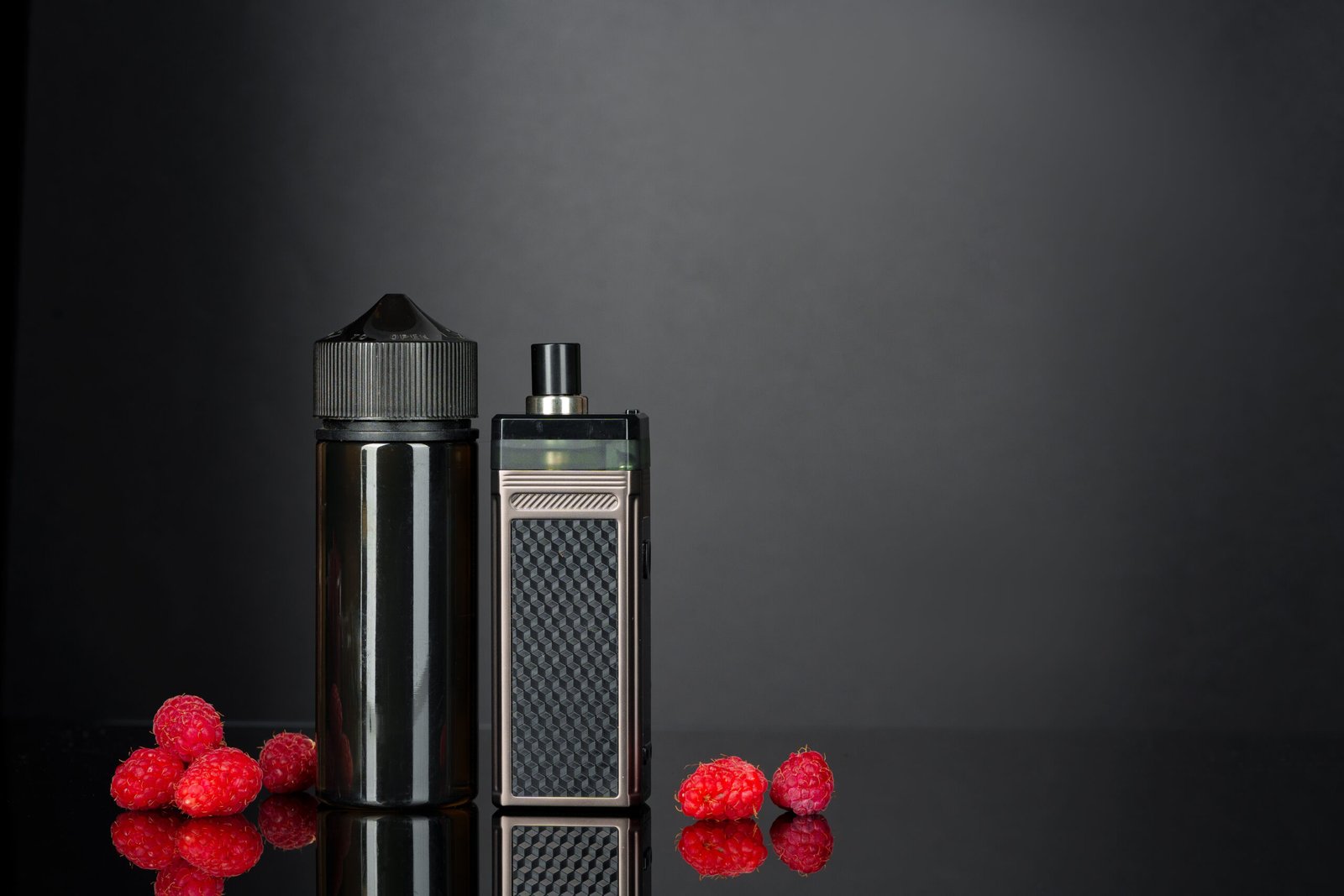
Choosing the right vaping juice can make a significant difference in how a low-wattage pod system performs. Unlike higher-powered vape devices, low-wattage systems operate with less power and are generally designed around smaller coils, controlled vapour production, and efficient e-liquid consumption.
Because of these characteristics, the composition of vaping juice matters. Factors such as VG and PG ratio, nicotine type, flavour formulation, viscosity, and coil compatibility can all influence how an e-liquid performs in a low-wattage pod system.c
Understanding these characteristics can help users make more informed choices when selecting vaping juice.
What Is a Low-Wattage Pod System?
A low-wattage pod system is designed to operate at relatively lower power levels than many larger vape devices. These systems typically use compact coils and are designed around efficient heating rather than high-power vapour production.
The lower power output means that the coil heats vaping juice differently. E-liquid therefore needs to flow efficiently toward the coil and vaporize effectively within the device’s intended operating range.
This makes e-liquid composition an important consideration when selecting vaping juice for a low-wattage system.
Why Does VG and PG Ratio Matter?
Vegetable glycerin (VG) and propylene glycol (PG) are two of the primary components commonly found in vaping juice.
VG is more viscous and contributes to vapour production, while PG is less viscous and is commonly associated with flavour delivery. The balance between these ingredients affects the overall characteristics of an e-liquid.
For low-wattage pod systems, vaping juice with a moderate or higher PG proportion is often considered because its lower viscosity can work well with compact wicking systems. However, the appropriate formulation ultimately depends on the specific device and coil specifications.
Checking the manufacturer’s recommended e-liquid characteristics is therefore important before selecting a particular vaping juice.
Why Is E-Liquid Viscosity Important?
Viscosity describes how easily a liquid flows. VG is naturally thicker than PG, meaning that vaping juice with a higher VG content generally has a thicker consistency.
Low-wattage pod systems often use relatively small wicking channels. The way vaping juice moves through these channels can influence how consistently the coil receives e-liquid.
A vaping juice formulated with a suitable viscosity can provide consistent e-liquid delivery within the operating characteristics of the pod system. This is one reason why users should consider the device’s specifications rather than selecting an e-liquid solely based on flavour.
What About Nic Salt Vaping Juice?
Nicotine salt is commonly found in vaping juice designed for lower-powered devices. Nicotine salts are formulated differently from traditional freebase nicotine and can be used across a variety of e-liquid formulations.
The nicotine type does not determine whether an e-liquid is universally compatible with every low-wattage pod system. Device specifications, coil resistance, recommended power range, and e-liquid formulation should all be considered together.
When selecting nicotine salt vaping juice, checking the manufacturer’s recommended nicotine strength and device compatibility provides useful guidance.
Can Freebase Vaping Juice Work in Low-Wattage Pods?
Freebase nicotine vaping juice can also be used with certain low-wattage systems, depending on the device and e-liquid formulation.
The key consideration is not simply whether an e-liquid contains freebase nicotine. Its VG/PG ratio, nicotine strength, flavour formulation, and compatibility with the specific coil are also relevant.
Some low-wattage systems are designed around e-liquids with particular viscosity and nicotine characteristics. Following the device manufacturer’s recommendations can help identify suitable vaping juice options.
How Does Coil Resistance Affect Vaping Juice Choice?
Coil resistance is another important factor. Different coils are designed to operate within specific power ranges, and their construction affects how vaping juice is heated.
A low-resistance coil may operate at a different power level from a higher-resistance coil. Consequently, the same vaping juice can produce different flavour and vapour characteristics depending on the coil installed in the pod system.
When choosing vaping juice, users should therefore consider the coil’s resistance and recommended wattage alongside the e-liquid’s VG/PG ratio.
What Role Does Flavour Play?
Flavour selection is naturally an important part of choosing vaping juice, but different formulations can perform differently depending on the device.
Low-wattage systems may present flavour differently from higher-powered devices because the coil operates at a different temperature and produces a different amount of vapour.
Fruit, dessert, beverage, mint, and tobacco-inspired flavours can each contain multiple flavour components. The balance between these components may become more noticeable depending on the coil, airflow, power output, and vaping juice formulation.
How Does Airflow Affect Vaping Juice Performance?
Airflow influences how air moves across the coil and mixes with the aerosol produced from vaping juice. A more restricted airflow and a more open airflow setting can create different flavour and vapour characteristics.
When using a low-wattage pod system, airflow should be considered alongside the e-liquid and coil. Adjusting airflow within the device’s available settings can change the way a particular vaping juice is experienced.
What Should You Check Before Choosing Vaping Juice?
Before selecting vaping juice for a low-wattage pod system, consider several specifications:
- The recommended VG/PG ratio
- Coil resistance
- Recommended wattage range
- Nicotine type and strength
- E-liquid viscosity
- Device manufacturer’s recommendations
- Intended airflow configuration
Looking at these factors together provides a more complete understanding of whether a particular vaping juice is appropriate for a specific pod system.
About Abc Vape
Abc Vape is a Canadian online vape shop offering vapes, e-cigarettes, e-liquids, disposable vapes, pods, and accessories. The retailer carries brands including Allo, Stlth, Rocky Vapor, Smok, and Oxbar, with free delivery available on orders above $100.
Conclusion
The most suitable vaping juice for a low-wattage pod system depends on the relationship between the e-liquid and the device. VG/PG ratio, viscosity, nicotine type, coil resistance, power output, airflow, and flavour formulation can all influence how vaping juice performs.
Rather than selecting an e-liquid based on one characteristic alone, considering the complete device and e-liquid specifications provides a clearer way to identify a suitable formulation. Manufacturer recommendations should always be used as the primary reference when determining e-liquid compatibility with a particular pod system.