
Why Do Pod Systems Perform Better With Nic Salt Than Freebase?
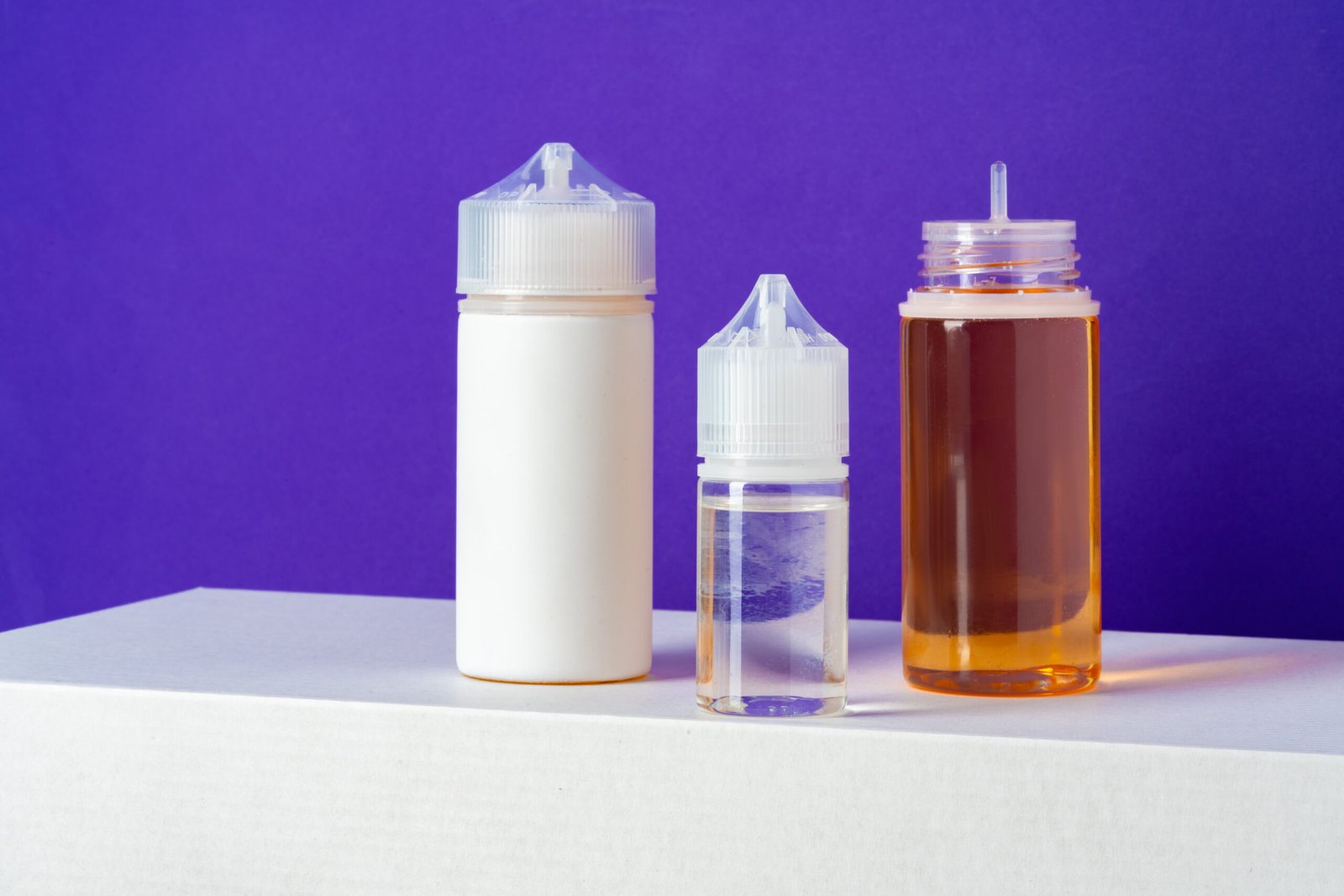
Pod systems have become a major part of modern vaping, especially among users who value simplicity, consistency, and portability. A common topic that appears in user searches is nic salt vs freebase, particularly when trying to understand why pod systems are so often paired with nic salt e-liquids. The reason lies in how pod systems are designed and how each nicotine type behaves during vaporization.
This article explains, in a clear and informative way, why pod systems tend to perform better with nic salt than freebase nicotine, focusing on technology, efficiency, and overall vaping feel.
Understanding Pod System Design
Pod systems are compact vaping devices built around low to moderate power output. They typically use higher-resistance coils and smaller batteries compared to advanced vaping devices. This design supports controlled vapor production and consistent performance rather than high wattage output.
Because pod systems are engineered for efficiency rather than raw power, the type of nicotine used plays an important role in how well the device performs. This is where the comparison of nic salt vs freebase becomes especially relevant.
What Makes Nic Salt Different from Freebase?
To understand why pod systems favor nic salt, it helps to look at how nic salt vs freebase nicotine differs at a formulation level.
Freebase nicotine is the traditional form used in many standard e-liquids. It performs well at higher power levels and is often paired with devices that allow adjustable wattage and airflow.
Nicotine salt is created by stabilizing nicotine with organic compounds, allowing it to vaporize efficiently at lower temperatures. This makes nic salt particularly suitable for devices that operate at lower power, such as pod systems.
Power Output and Nicotine Efficiency
Pod systems operate at lower wattage compared to larger devices. Nic salt is designed to deliver nicotine efficiently within this lower power range. This compatibility allows pod systems to produce a satisfying experience without requiring high energy output.
In the discussion of nic salt vs freebase, freebase nicotine typically performs best when more power is applied. Pod systems are not built for high wattage, which is why nic salt aligns more naturally with their operating range.
Smooth and Consistent Vapor Production
Another reason pod systems perform better with nic salt than freebase is consistency. Nic salt vaporizes smoothly at lower temperatures, which matches the heating characteristics of pod system coils.
This results in:
- Even vapor production
- Stable performance from puff to puff
- Reliable nicotine delivery
Freebase nicotine, while effective in other device types, is generally optimized for setups that generate more heat and airflow.
Coil Resistance and Nicotine Type
Pod systems commonly use higher-resistance coils. These coils heat up gradually and are designed for efficiency rather than rapid vapor production. Nic salt works exceptionally well with this style of coil.
When comparing nic salt vs freebase, freebase nicotine often pairs best with lower-resistance coils found in higher-powered devices. Nic salt, on the other hand, complements the slower, controlled heating of pod system coils.
This balance helps maintain consistent flavor and performance throughout the life of the pod or coil.
Flavor Delivery in Pod Systems
Flavor delivery is another area where nic salt shows strong compatibility with pod systems. Because nic salt vaporizes smoothly at lower temperatures, it allows flavor profiles to remain balanced and clear even in compact devices.
Pod systems are designed to deliver flavor efficiently without excessive vapor volume. Nic salt supports this goal by maintaining flavor integrity within the device’s operating limits.
In the context of nic salt vs freebase, freebase nicotine is often used in lower concentrations where flavor complexity is emphasized through higher vapor output.
Battery Efficiency and Device Performance
Battery capacity in pod systems is optimized for portability and daily convenience. Nic salt contributes to efficient battery usage by performing well without demanding high power levels.
This efficiency allows:
- Longer usage between charges
- Stable output throughout the battery cycle
- Predictable performance during regular use
Freebase nicotine generally requires more power to reach its optimal vaporization range, making it less aligned with the battery design of pod systems.
Ease of Use and Consistency
Pod systems are popular because they offer a straightforward and consistent experience. Nic salt supports this simplicity by performing reliably within fixed power settings.
Users researching nic salt vs freebase often discover that pod systems paired with nic salt require minimal adjustments while still delivering consistent results. This combination reflects how modern vaping technology prioritizes ease of use without sacrificing performance quality.
Matching Nicotine Type to Device Purpose
Every vaping device is designed with a specific purpose in mind. Pod systems focus on efficiency, portability, and steady output. Nic salt fits naturally into this framework.
Freebase nicotine continues to perform exceptionally well in devices built for customization and higher power. The distinction between nic salt vs freebase is not about superiority, but about alignment with device design.
Understanding this match helps users choose the right e-liquid for their specific device type.
About Abc Vape
Abc Vape is a top Canadian online vape shop offering a wide selection of vapes, e-cigs, e-liquids, disposables, pods, and accessories. The store carries popular brands such as Allo, Stlth, Rocky Vapor, Smok, Oxbar, and more. Customers can explore a broad range of options with competitive pricing and free delivery on orders above $100.
Conclusion
Pod systems perform better with nic salt than freebase because of how their design, power output, and coil structure align with nic salt formulation. When examining nic salt vs freebase, it becomes clear that nic salt is optimized for lower wattage, efficient vaporization, and consistent delivery, all of which match the core strengths of pod systems.
By understanding the technical relationship between pod systems and nicotine types, users can make informed decisions and enjoy a vaping experience that feels balanced, reliable, and well-suited to their device.