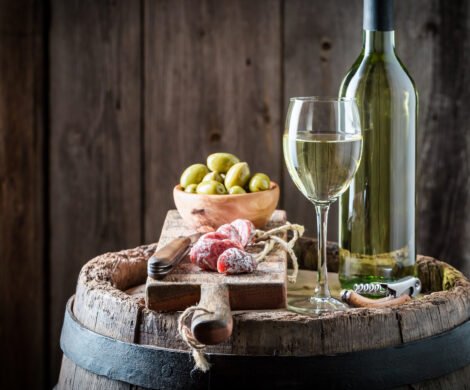
Why Is Spanish Wine One of the Most Food-Friendly Wine Categories?
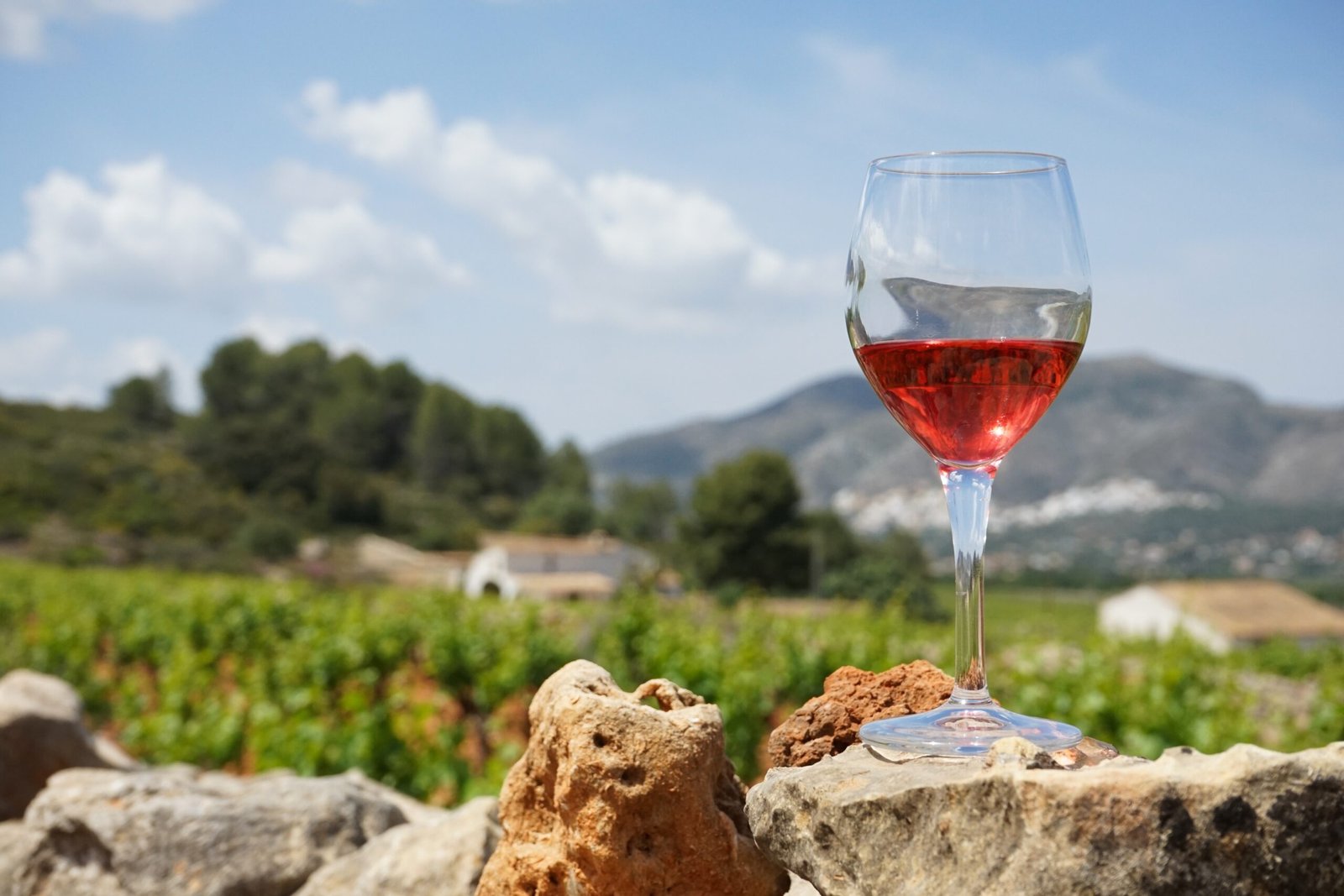
Wine and food have always been deeply connected in Spain. Rather than being designed as stand-alone luxury products, many Spanish wines evolved alongside regional cuisine, shaping a style that prioritises balance, structure, and harmony at the table. This is why Spanish wine is often regarded as one of the most food-friendly categories in the global wine landscape.
To understand this reputation, it helps to explore the science behind grape structure, the influence of Spain’s diverse climates, traditional winemaking approaches, and the country’s strong culture of aging and terroir expression.
Structural Balance: The Foundation of Food Pairing
Tannins That Complement Food
Tannins interact directly with proteins and fats, making them central to food pairing. Many Spanish red wines feature firm but refined tannins that soften when consumed with food. This interaction enhances texture without overwhelming the palate.
Unlike highly extracted styles designed for immediate impact, Spanish wine often shows restraint, allowing it to integrate seamlessly with meals.
Acidity That Refreshes the Palate
Acidity is another key reason Spanish wine works so well with food. From cooler Atlantic regions to high-altitude vineyards, many Spanish wines retain enough acidity to cleanse the palate, cutting through richness and encouraging balance across multiple bites.
Climate: A Natural Advantage for Food-Friendly Wines
Warm Days, Balanced Ripeness
Spain’s warm climate encourages full phenolic ripeness, resulting in wines with depth of colour and flavour. This ripeness provides the body and structure needed to pair with hearty dishes, from roasted meats to slow-cooked stews.
Cooling Influences Preserve Freshness
Despite its warmth, Spain benefits from altitude, coastal breezes, and strong day–night temperature variation. These cooling influences preserve acidity and aromatic lift, preventing wines from feeling heavy or fatiguing with food.
Grape Characteristics and Their Role at the Table
Indigenous Varieties Built for Cuisine
Spain’s native grape varieties evolved alongside local foods. Grapes such as Tempranillo, Garnacha, and Monastrell naturally produce wines with moderate alcohol, savoury undertones, and balanced structure, qualities that complement food rather than dominate it.
This stands in contrast to some international styles that prioritise fruit intensity over versatility.
Phenolic Balance Over Power
Many Spanish wines achieve depth through phenolic maturity rather than sheer concentration. This results in wines with rich texture and colour, but without excessive tannin or alcohol, making them adaptable across a wide range of dishes.
Terroir: Soil and Place Shape Pairing Potential
Poor Soils, Concentrated Expression
Spanish vineyards are often planted in nutrient-poor soils such as limestone, slate, and clay. These conditions limit vine vigour and enhance flavour concentration, producing wines with savoury depth and textural complexity.
Such characteristics naturally align with food, particularly dishes like those featuring umami or earthy elements.
Altitude and Elegance
High-altitude vineyards play a crucial role in maintaining freshness. Cooler temperatures at elevation slow ripening, resulting in wines with better acidity and finer tannins, ideal for pairing with more delicate or herb-driven cuisine.
Winemaking Traditions Designed for the Table
Controlled Extraction for Harmony
Spanish winemaking traditionally emphasises balance over excess. Controlled extraction techniques preserve structure and freshness, avoiding overly aggressive tannins that can clash with food.
This approach produces wines that feel integrated and supportive when paired with meals.
Oak Aging as a Tool, Not a Mask
Oak aging is a defining feature of Spanish wine, but it is typically used to add structure and savoury complexity rather than sweetness or overt flavour. Notes of spice, leather, and dried herbs often echo flavours found in cooked dishes, enhancing compatibility at the table.
Aging Culture and Food Compatibility
Time as a Structural Element
Many Spanish wines are released after extended aging, allowing tannins to soften and flavours to integrate before reaching the consumer. This readiness makes them particularly effective food wines straight from the bottle.
Savoury Evolution
As Spanish wines age, they often develop earthy, umami-rich characteristics. These tertiary flavours pair naturally with cured meats, aged cheeses, mushrooms, and slow-cooked dishes.
Why Spanish Wine Excels Across Cuisines
Spanish wine’s balance of acidity, tannin, alcohol, and savoury depth allows it to pair not only with Spanish cuisine but also with a wide range of international foods. Its adaptability comes from structural harmony rather than dominance.
This versatility is what makes Spanish wine a consistent choice for food pairing in both casual and refined dining contexts.
A Helpful Resource for Exploring Food-Friendly Wines
For wine lovers interested in exploring Spanish wine alongside other food-friendly styles, Box of Wine offers a useful reference point. Buy Wine Online from Box of Wine, Ireland’s best tailored to your taste wine subscription service. Tailored boutique wine delivered to your door, every month. Next day Wine delivery in Ireland! Also, selection of boxed wine that delivers quality.
Curated selections can help drinkers experience how different wines interact with food.
Conclusion: A Category Built Around the Table
Spanish wine is one of the most food-friendly categories because it was never meant to stand alone. Shaped by climate, terroir, indigenous grapes, and centuries of winemaking tradition, these wines prioritise balance, structure, and savoury complexity.
Rather than overpowering a dish, Spanish wine enhances it, earning its reputation as a natural and enduring partner at the table.