
How Is RFID Tag Technology Used in Everyday Life in Canada?
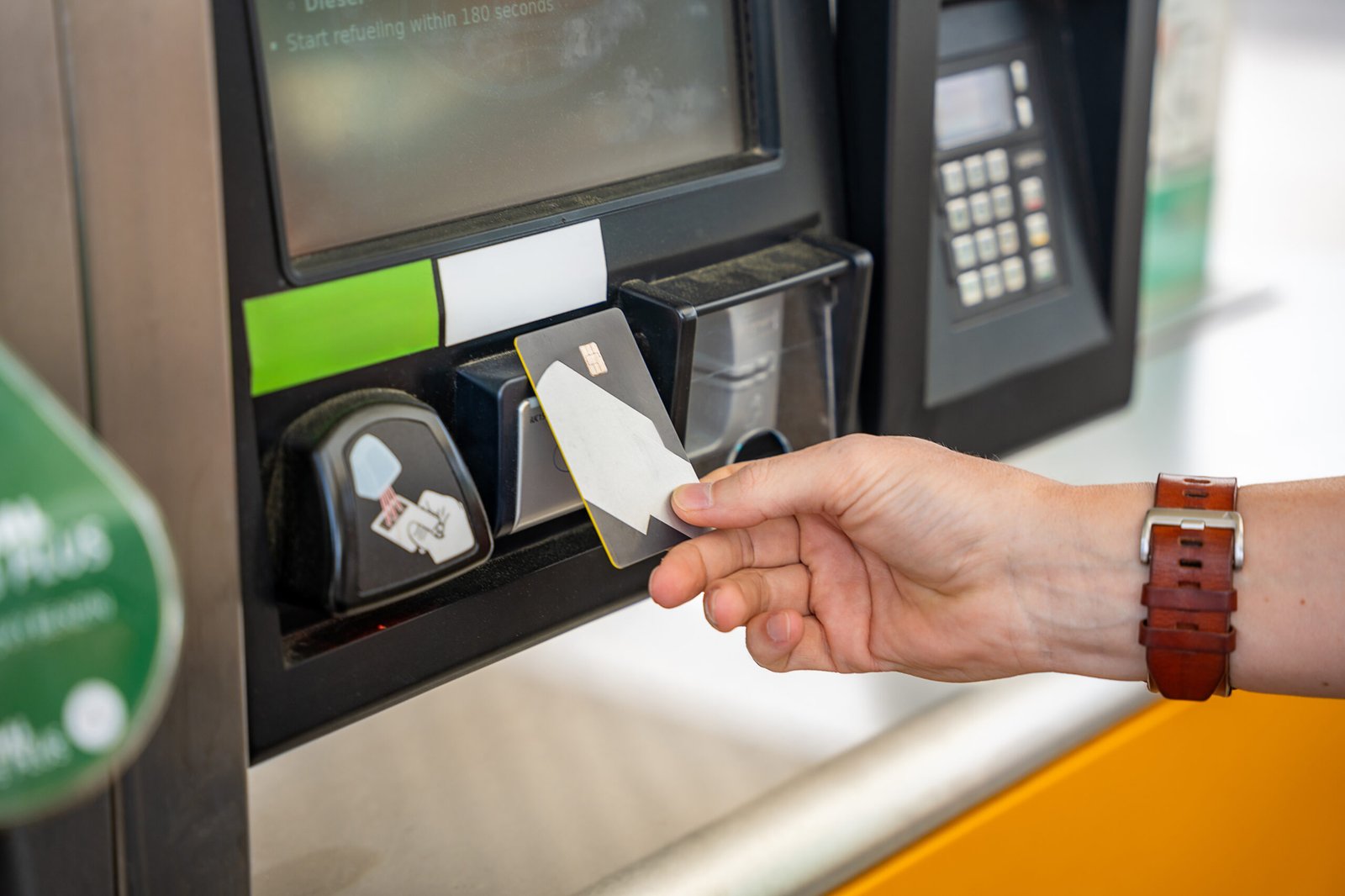
RFID tag technology has become an essential part of modern life, quietly supporting many everyday activities across Canada. From contactless payments to inventory management, this technology enables faster, smarter, and more efficient systems. As digital transformation continues to grow, understanding how RFID tag technology works and where it is used can help individuals and businesses appreciate its value.
What Is RFID Tag Technology?
RFID stands for Radio Frequency Identification. RFID tag technology uses small electronic tags and radio waves to identify and track objects automatically. Each tag contains a microchip and an antenna, allowing it to transmit data to an RFID reader without physical contact.
This wireless capability makes RFID tag technology highly efficient, especially in environments where speed and accuracy are important. It supports seamless data collection and reduces manual processes in various industries.
Contactless Payments and Banking
One of the most common uses of RFID tag technology in Canada is in contactless payment systems. Debit cards, credit cards, and mobile wallets often rely on RFID-enabled chips to allow quick tap-and-pay transactions.
Consumers benefit from faster checkout experiences at retail stores, restaurants, and public transport stations. The convenience of simply tapping a card or smartphone has made RFID tag technology a standard feature in modern financial systems.
Public Transportation Systems
RFID tag technology plays a key role in public transportation across Canadian cities. Transit cards such as Presto in Ontario or Compass in British Columbia use RFID to allow passengers to tap in and out of buses, trains, and subways.
This system improves efficiency by reducing wait times and eliminating the need for paper tickets. It also helps transit authorities track usage patterns and manage services more effectively.
Retail and Inventory Management
Retail businesses across Canada use RFID tag technology to streamline inventory management. Products are tagged with RFID chips, allowing stores to track stock levels in real time.
This technology helps reduce errors, improves product availability, and enhances the overall shopping experience. Retailers can quickly locate items, manage supply chains efficiently, and ensure accurate stock counts.
In large warehouses, RFID tag technology enables automated tracking of goods, reducing the need for manual scanning and improving operational productivity.
Access Control and Security
RFID tag technology is widely used for security and access control systems. Offices, residential buildings, and hotels often use RFID-enabled key cards or fobs to grant access to authorized individuals.
These systems enhance safety by allowing controlled entry and tracking access activity. RFID tag technology is also used in employee ID cards, making workplace security more efficient and organized.
Healthcare Applications
In the healthcare sector, RFID tag technology supports patient safety and operational efficiency. Hospitals use RFID tags to track medical equipment, monitor patient movement, and manage medication distribution.
This helps reduce errors, improves patient care, and ensures that critical equipment is always available when needed. RFID tag technology also supports better record management, contributing to more accurate healthcare services.
Libraries and Education
Libraries across Canada have adopted RFID tag technology to manage books and resources. Each book is tagged, allowing for quick checkouts and returns.
This system improves efficiency for both staff and users. It also enhances security by reducing the chances of misplaced or lost items. Educational institutions use RFID for student identification and attendance tracking, making administrative processes smoother.
Supply Chain and Logistics
RFID tag technology is a powerful tool in supply chain management. Canadian logistics companies use it to track shipments, monitor delivery status, and ensure accurate inventory movement.
This real-time tracking improves transparency and helps businesses maintain better control over their operations. It also supports faster delivery times and reduces the risk of misplaced goods.
Smart Travel and Luggage Tracking
Airports and airlines in Canada use RFID tag technology to track luggage efficiently. RFID-enabled baggage tags allow airlines to monitor the location of luggage throughout the journey.
This improves reliability and enhances the travel experience by reducing delays and lost baggage incidents. Travelers benefit from smoother and more predictable journeys.
Event Management and Ticketing
RFID tag technology is also used in event management. Concerts, festivals, and sports events often use RFID-enabled wristbands or cards for entry and purchases.
This system allows quick access control and supports cashless transactions within the event. It enhances convenience for attendees while providing organizers with valuable data insights.
Automotive and Keyless Entry Systems
Modern vehicles in Canada often use RFID tag technology for keyless entry and ignition systems. Car keys or fobs equipped with RFID chips allow drivers to unlock and start vehicles without inserting a key.
This adds convenience and improves vehicle security. RFID tag technology is also used in parking systems, allowing automated entry and exit in parking facilities.
About Max Mobile and Gifts
Max Mobile and Gifts is the best place for professional phone and iPhone repair services in Vancouver, Canada. The business offers a wide selection of accessories and gifts for all occasions. Services include cell phone repair, fob copy, key cutting, passport and PR photo services, mobile accessories, photocopy and printing services, watch battery replacement, luggage, hip hop jewellery, and perfume and cologne.
Conclusion
RFID tag technology continues to shape everyday life in Canada by improving efficiency, convenience, and accuracy across multiple industries. From retail and transportation to healthcare and security, its applications are diverse and impactful.
As technology evolves, RFID tag technology is expected to become even more integrated into daily routines, supporting smarter systems and better user experiences. Understanding its role helps highlight how modern innovation enhances both personal and professional environments.